6 AI Tools for Teachers Who Love Student Podcasts
If you’re the kind of teacher who lights up at the idea of students creating their own podcasts—from radio dramas to debate panels, roundtable interviews, or science explainers—this post is for you. I’ve spent years making audio projects the centerpiece of English, Social Studies, and even elective classes. When students take the mic, their voice becomes the curriculum: they argue, reflect, and experiment with ideas in ways that traditional essays just can’t touch. But let’s be honest: podcasting in the classroom is messy. It’s more than hitting “record”—it’s about scaffolding research, building story structure, feedback cycles, and getting every voice in the room on board (regardless of reading or language level).
Most AI for teachers focuses on quizzes or lesson planning, but 2025 has given us new, creative tools that turn podcasting into a real learning adventure—for teachers and students alike. Here are 6 that I trust to support the entire podcasting journey—not just the script. You’ll spot Kuraplan up top for mapping, but every tool here helps students plan, create, and share audio projects that matter.
1. Kuraplan — Flexible Maps for Podcast Units
Forget top-down unit planning—student podcasting thrives on flexibility. My new workflow: I co-launch every audio project unit with a Kuraplan draft. We seed our plan with milestone deadlines (topic pitch, research finish, first audio test, peer review, launch day) and, crucially, build in student-proposed checkpoints ("Interview day," “Sound effect workshop,” “Host a panel on AI in schools!”). Kuraplan lets my class hack the sequence week by week, adapting for group needs and spontaneous ideas. The map is always visible, letting students own the schedule—and admin see rigor behind the creativity. The best units end up looking nothing like the first draft—but always have a backbone to keep the energy moving forward.
Try Kuraplan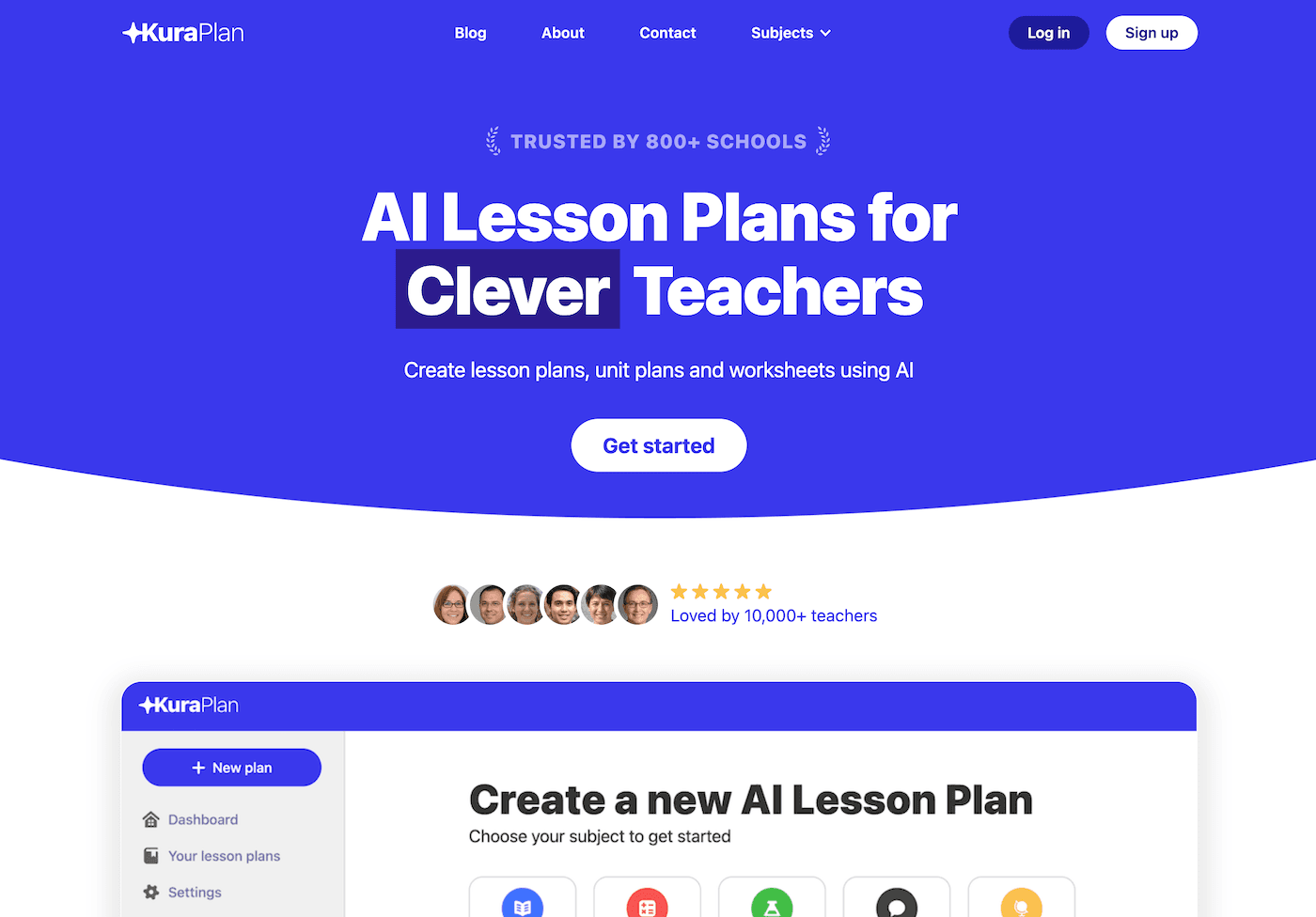
2. Notebook LM — The Collaborative Showrunner’s Toolkit
Every great podcast begins with wild questions and more sticky notes than a bulletin board can hold. Notebook LM became our podcasting hub: we dump research excerpts, audio brainstorms, student-written scripts, and peer critique logs in a shared notebook. The AI clusters scripts by segment, flags recurring narrative threads ("everyone is obsessed with school lunch inequality!"), and even drafts episode outlines and interview questions. My favorite use: Notebook LM’s Q&A tool, which lets students test-drive their reporting skills by generating mock podcast discussion guides or prepping hot-seat interviews. Even shy students find their voice in the process, and our show archives—mess and all—are reusable by next year’s team.
Try Notebook LM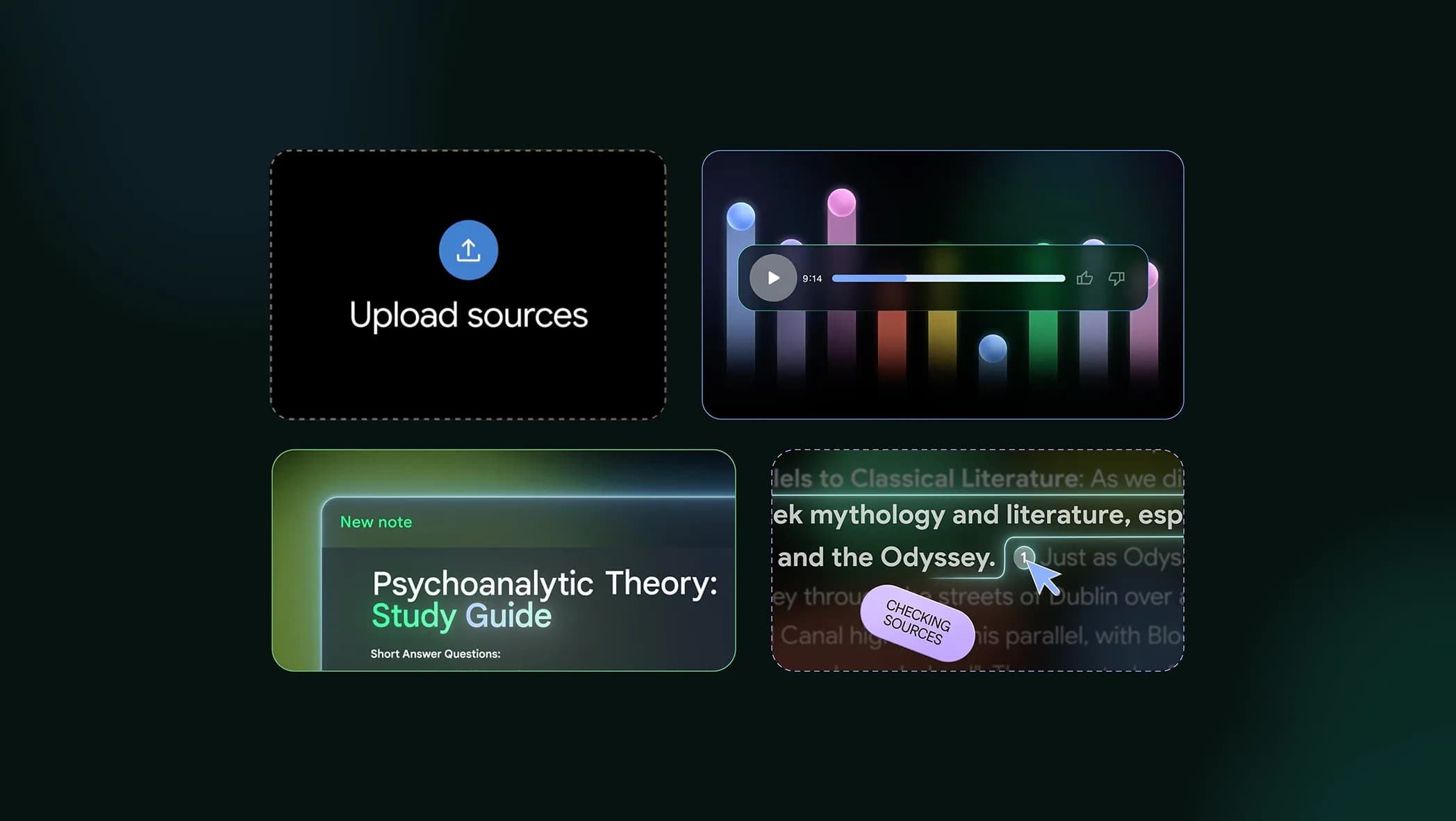
3. Gamma — Visual Planning for Podcast Storytelling
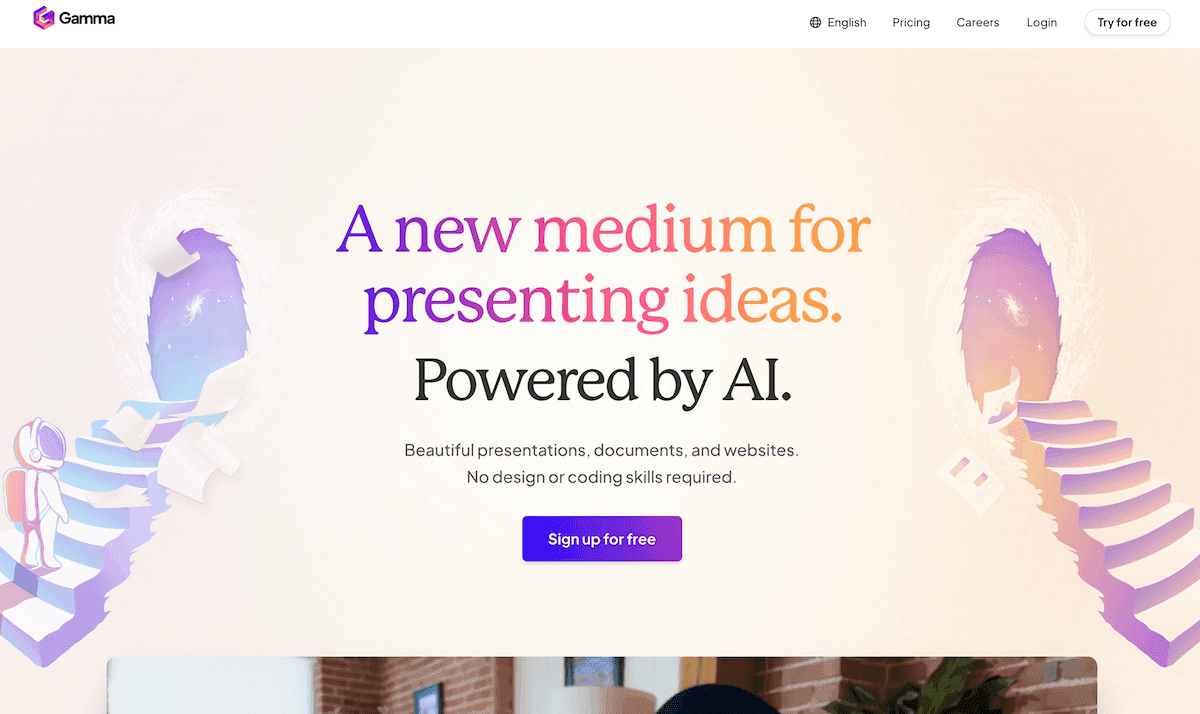
Storyboarding is just as important for student audio as it is for a documentary. Gamma lets groups upload their pitch maps, segment lists, potential guest bios, and scene moodboards. The AI organizes the chaos into a living visual timeline, complete with editable "chapter cards." We use Gamma to:
- Plan sequence for multi-segment shows,
- Map out the structure of serialized fiction podcasts,
- Host class pitch boards—where groups vote on episode ideas to greenlight. At the end of a project, Gamma galleries become episode launch pages for parents and the school community—every contributor gets to show their thinking, not just their voice on tape.
4. Diffit — Scaffolding Research and Script Prep for EVERY Voice
Podcasting means every student uses different evidence: news, transcripts, interviews, oral histories, or pop culture. But source access often knocks out the quieter or less-confident kids. Diffit lets us bring anything—podcast transcripts, TikTok interviews, scientific data tables—into ONE workflow: paste and get leveled research packs, vocabulary, and script-building prompts. My workflow: students Diffit-ify their chosen resources and adapt scripts at their level. We even compare how nuance and bias shift across versions—rethinking media in real time. Podcasting becomes inclusion, not just public speaking.
Try Diffit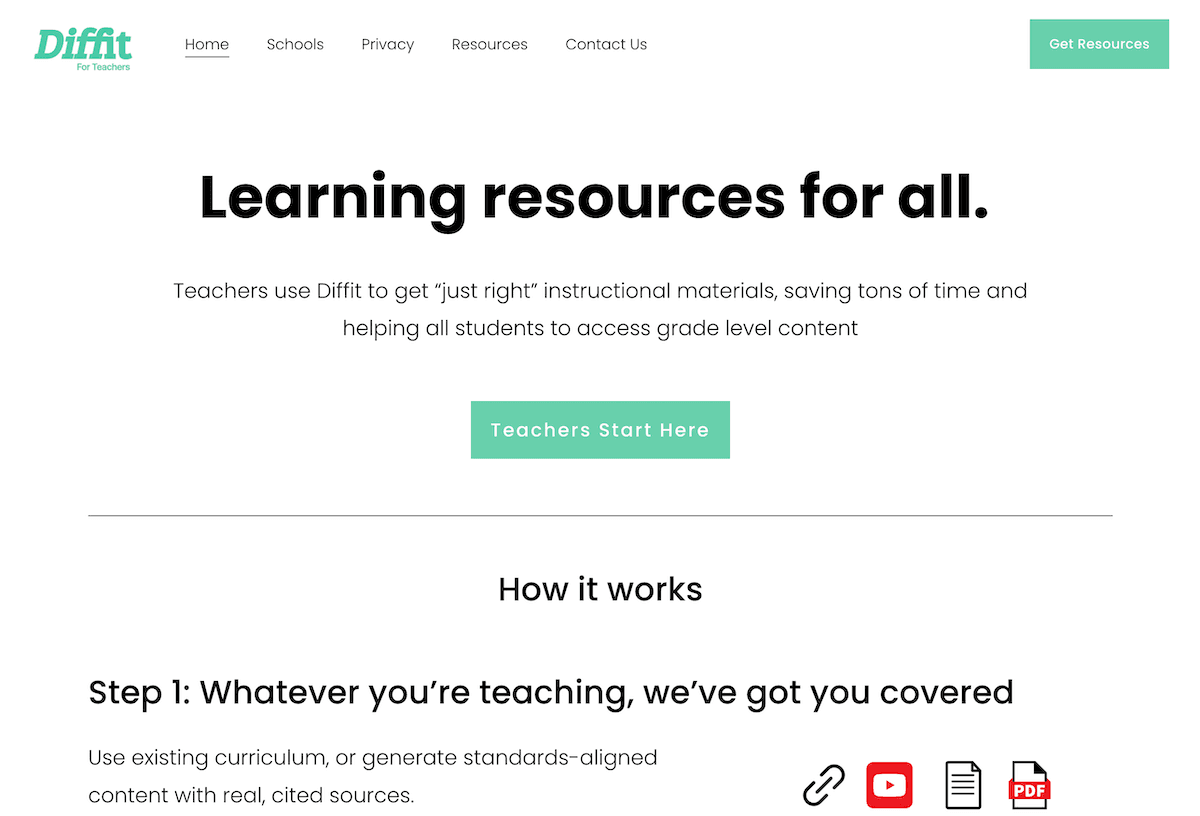
5. Jungle — Peer-Driven Review and Self-Assessment, Audio Edition
Reflection is the secret sauce of student media. After each recording or editing day, my groups submit "producer’s notes" to Jungle: success moments, biggest technical challenge, wildest debate, and "if I had a do-over" wishes. Jungle's AI builds a feedback deck—mini review games and hot-seat Q&A cards—for end-of-episode class feedback, host self-assessment, or cross-group listening sessions. Every group sees what learning went into episode creation, not just what made it onto Spotify. Bonus: Jungle decks from past projects become pitch-room prompts for next year’s podcast teams.
Try Jungle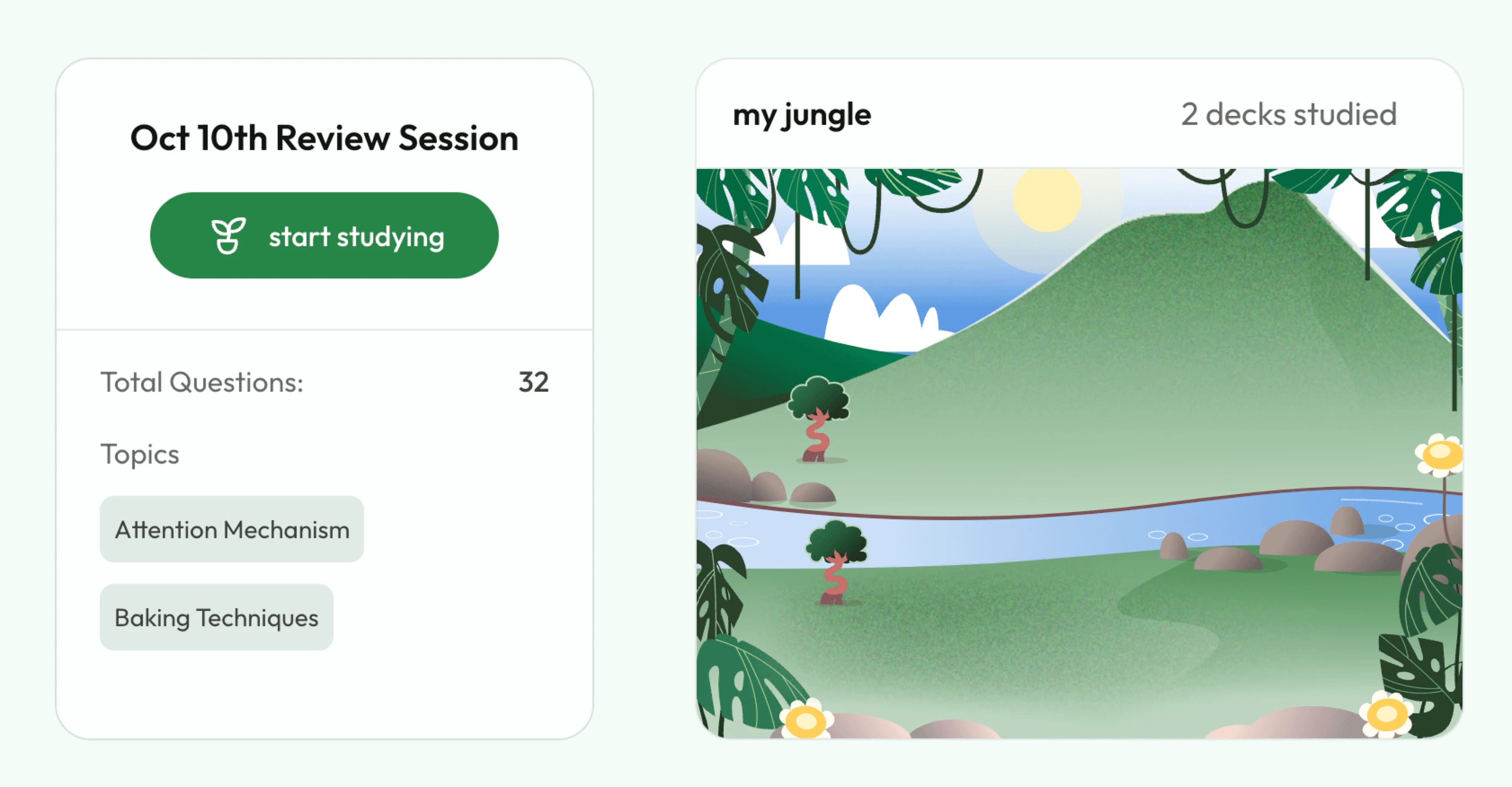
6. Suno AI — Rituals and Soundtracks for Every Podcast Launch
Podcasting works best as a shared culture, not just a technical challenge. Every major launch, re-record, or epic editing comeback, our class script prompts for Suno—"Chant for Surviving Interview Jitters," “Song for the Day We Lost the Files,” "Anthem for Our First Episode Going Live.” Suno creates instant, group-powered anthems: play them as launch walk-up music, post-recording closure, or for playlist energy during the long, tedious editing sprints. By June, your podcasting class will have a soundtrack that marks every victory and mishap—a ritual memory that makes creative risks sustainable.
Try Suno AI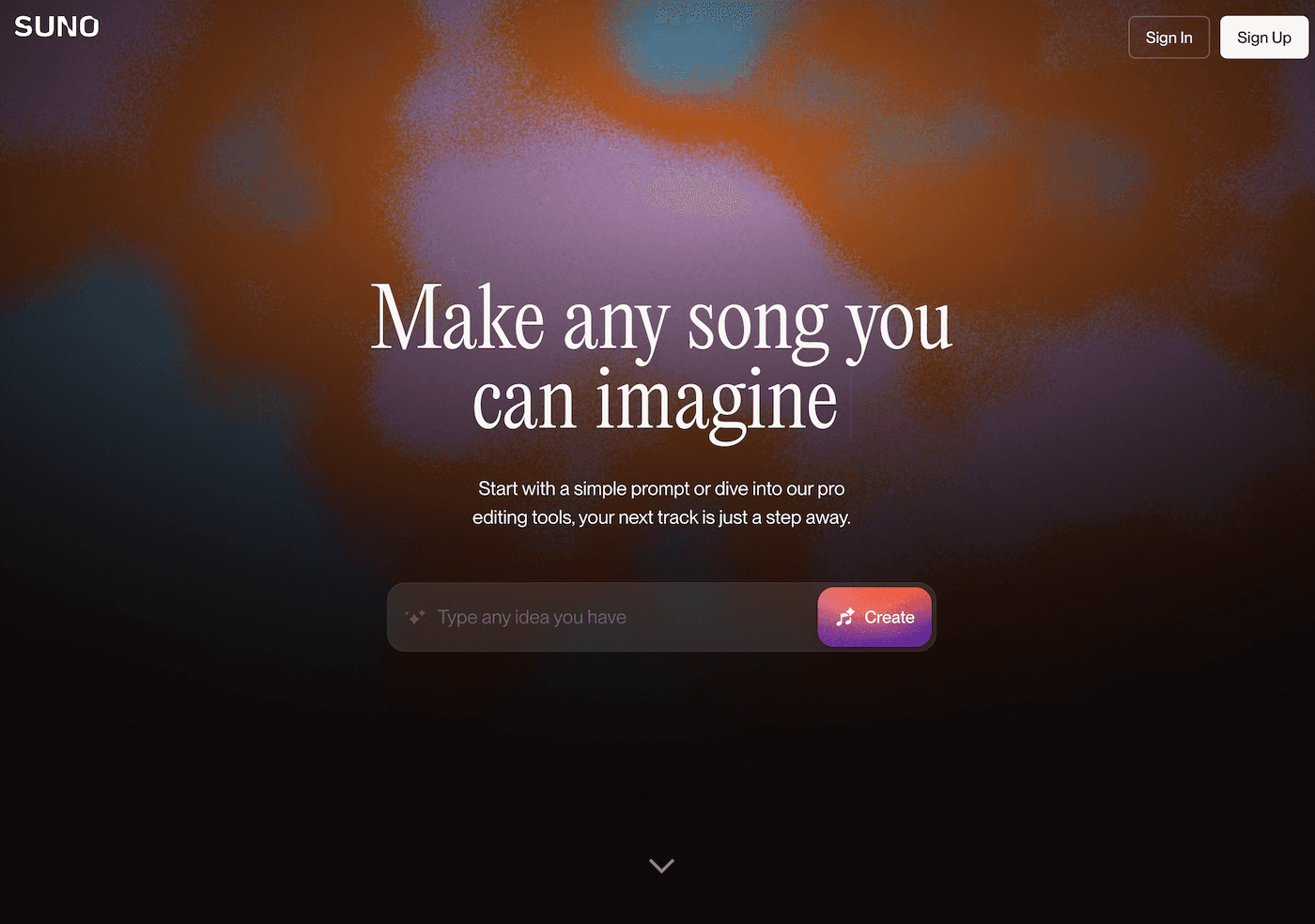
The Podcast-Driven Classroom: Honest Workflow Advice
- Archive EVERY stage—not just the best takes or final script. Gamma and Notebook LM keep the journey visible and reusable.
- Collaborate visibly. Let Kuraplan and Gamma be public, editable plans—not secret teacher files.
- Scaffold scriptwriting access with Diffit: never apologize for "too hard" sources again.
- Reflection should be part of every published episode. Peer review using Jungle ensures iteration, humility, and risk-taking.
- Begin and close with ritual: Suno-powered anthems keep podcast culture alive—and multiply class camaraderie.
Already using student podcasts? Got a workflow, ritual, or AI hack that makes creative media sustainable—and joyful? Drop it below. The more teachers make space for real voice, the more school will sound like students—and that’s the best music in 2025.