6 AI Tools for Teachers Who Love Student Choice
If you’re the kind of teacher who feels most alive when students ask, "Can I do this differently?"—welcome. Choice-driven classrooms are energizing, but they’re also a paperwork nightmare: tracking progress, scaffolding diverse options, and keeping admin happy when 23 students finish with 23 different projects. I’ve taught everything from ELA to STEM electives and "Genius Hour" blocks, and every year I wrestle with the same challenge: How do you actually run real agency—without burning yourself out or watering it down?
Below are 6 workflow-tested AI tools that help make ambitious, authentic, and joyful student choice sustainable in 2025—not just for ‘gifted’ programs, but for every learner. Each tool here serves a different purpose (including—but not starring—Kuraplan), and each one is built for mess, growth, and celebration—not checklist compliance. Here’s to more student voice, less teacher overwhelm.
1. Diffit – Every Student’s Favorite Source, Instantly Accessible
True choice begins with access: every reading, podcast, or video that a group brings to the menu becomes a jumping-off point, not a barrier. Diffit is now my differentiation engine: students (or I) paste in any article, script, or YouTube transcript and get leveled versions plus vocabulary, reading checks, and creative prompts. Now, that viral pop-culture deep dive or a student’s family artifact isn’t "just for advanced readers"—it’s fair game for the whole class. Diffit turns wild ideas into inclusive inquiry, and makes resource curation the student job—not the teacher’s Sunday-night homework.
Try Diffit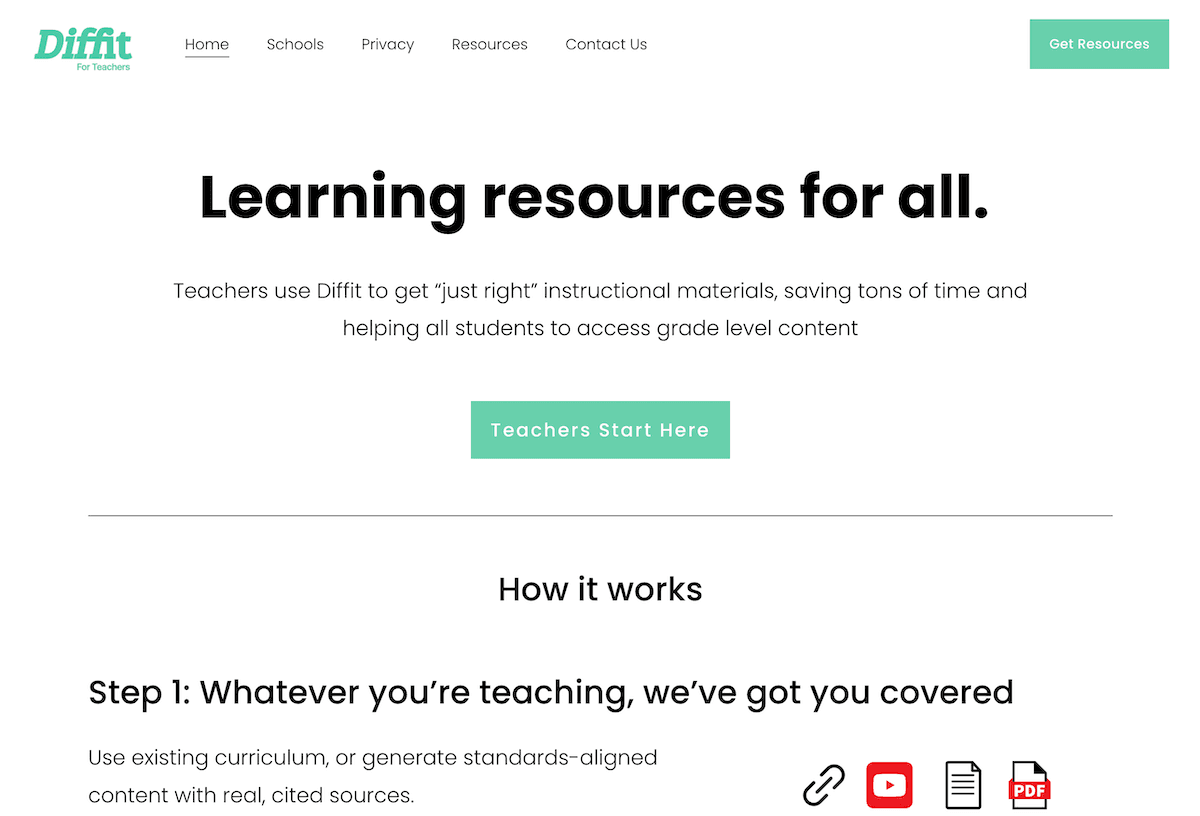
2. Kuraplan – Maps for Menus, Not Just Marching Orders
Choice boards, project menus, and open-ended timelines are only as powerful as your system. In my choice-heavy classroom, I use Kuraplan as my visible, evolving menu map: anchor deadlines and must-hit standards (for the admin), but then weave in “build-your-own-project” slots, student-proposed checkpoints, and "mix and match" assessment blocks. The kicker: I project the timeline every Friday, and students propose what gets extended, swapped, or added. Kuraplan’s editability means real agency without confusion—students see their voice on the plan, and I never lose track of a moving deadline. Now, my menu cycles are guided—not chaotic.
Try Kuraplan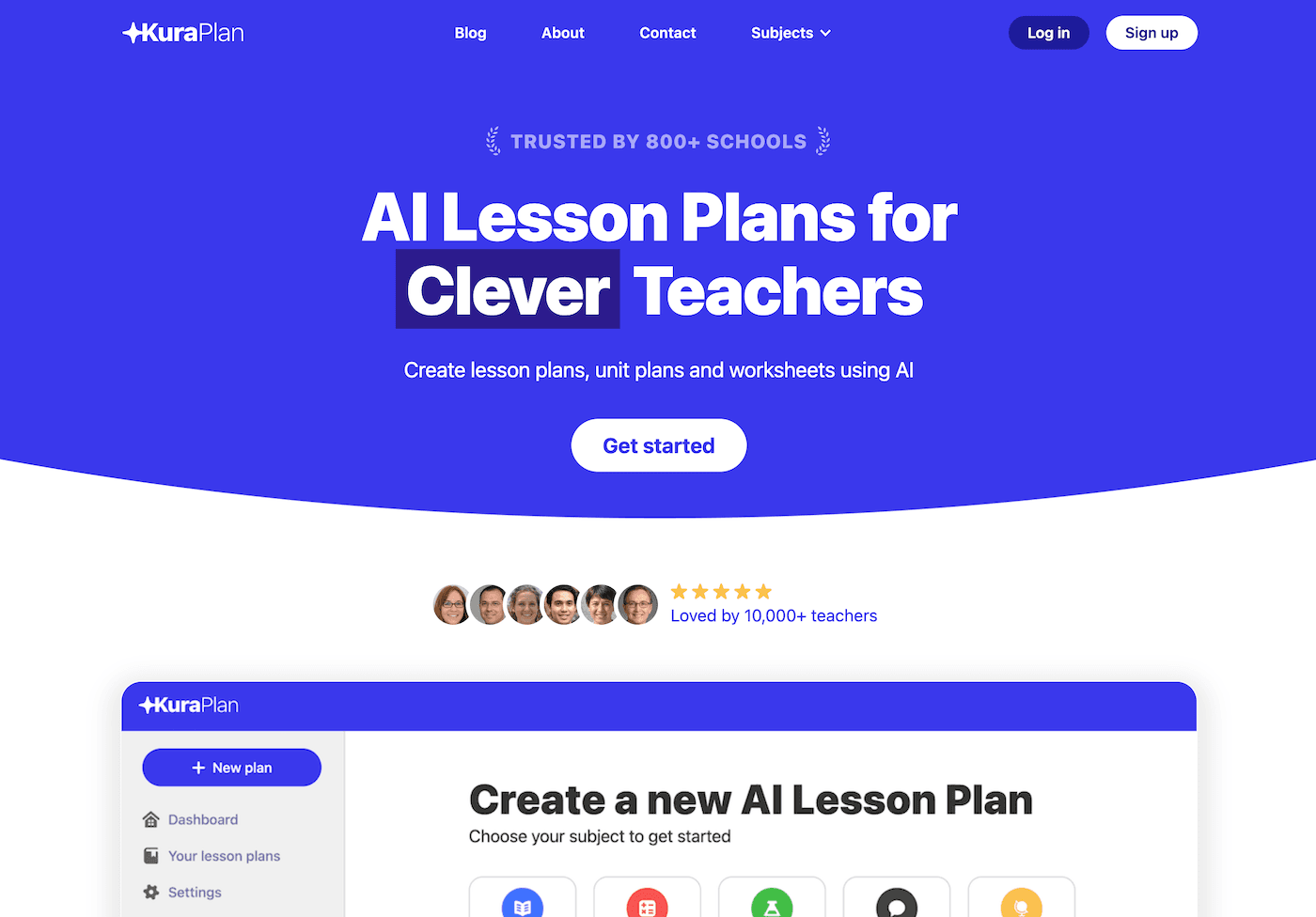
3. Magicbook – Publishing the Whole Menu, Not Just One Project
When I started running choice cycles, my biggest heartbreak was that only the flashiest projects got celebrated. Magicbook changed our culture: every student, pair, or small group gets their page—story, comic, how-to from the kitchen, coded poem, or field guide from a skate park. Magicbook’s magic? In minutes, it combines them into a class anthology, fully illustrated and format-ready. At project closeout, we share them at family nights or publish for upcoming classes, so every choice path becomes public learning—not just the “correct” or visible ones. Representation = real agency.
Try Magicbook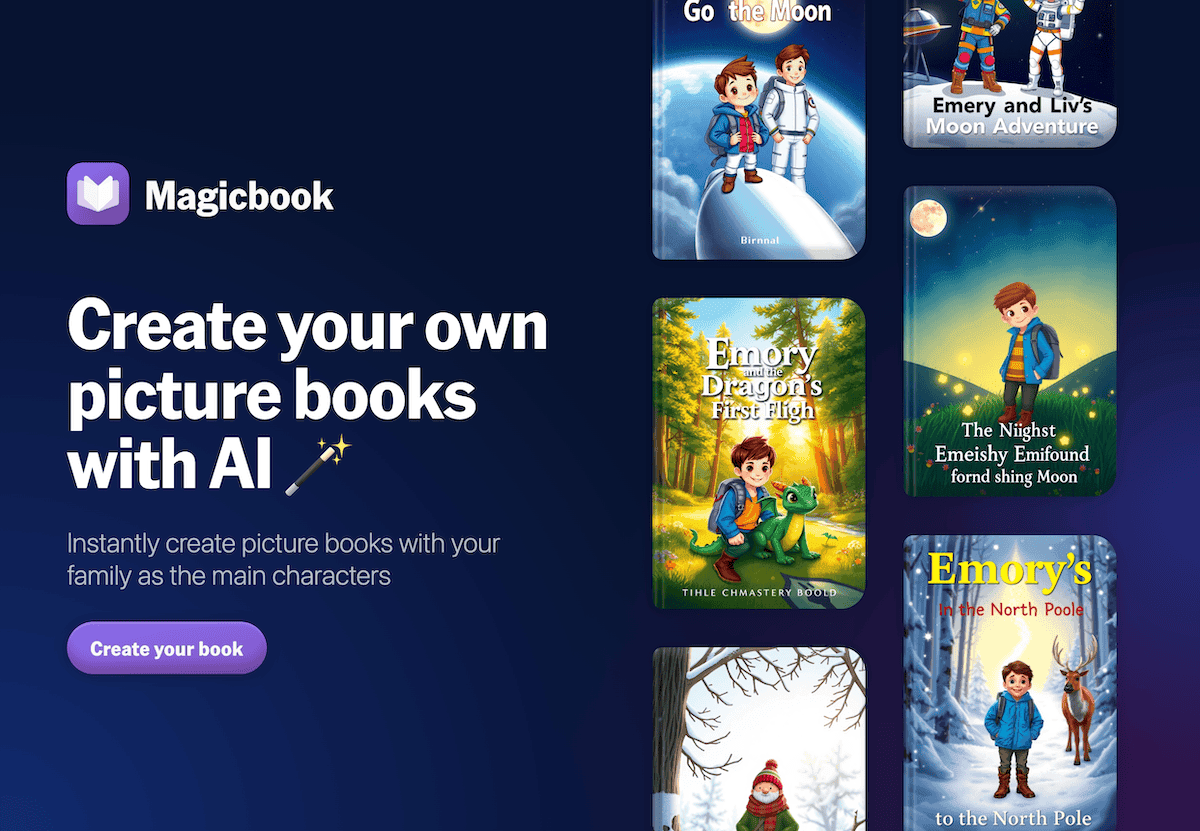
4. Jungle – Review and Reflection Built From Real Choices
Review days used to feel like teacher pick; now, they’re student authored. After each project menu or Genius Hour round, every class submits one "stumper" question, misunderstood concept, or “best weird trick I discovered.” Jungle’s AI sorts and creates a live deck for peer games, partner quizzes, and class trivia—built right from the diversity of paths, not a standard key. The wildest use? Saving "legacy review" decks for the next cohort—so next year’s menus start with this year’s best, most unpredictable questions.
Try Jungle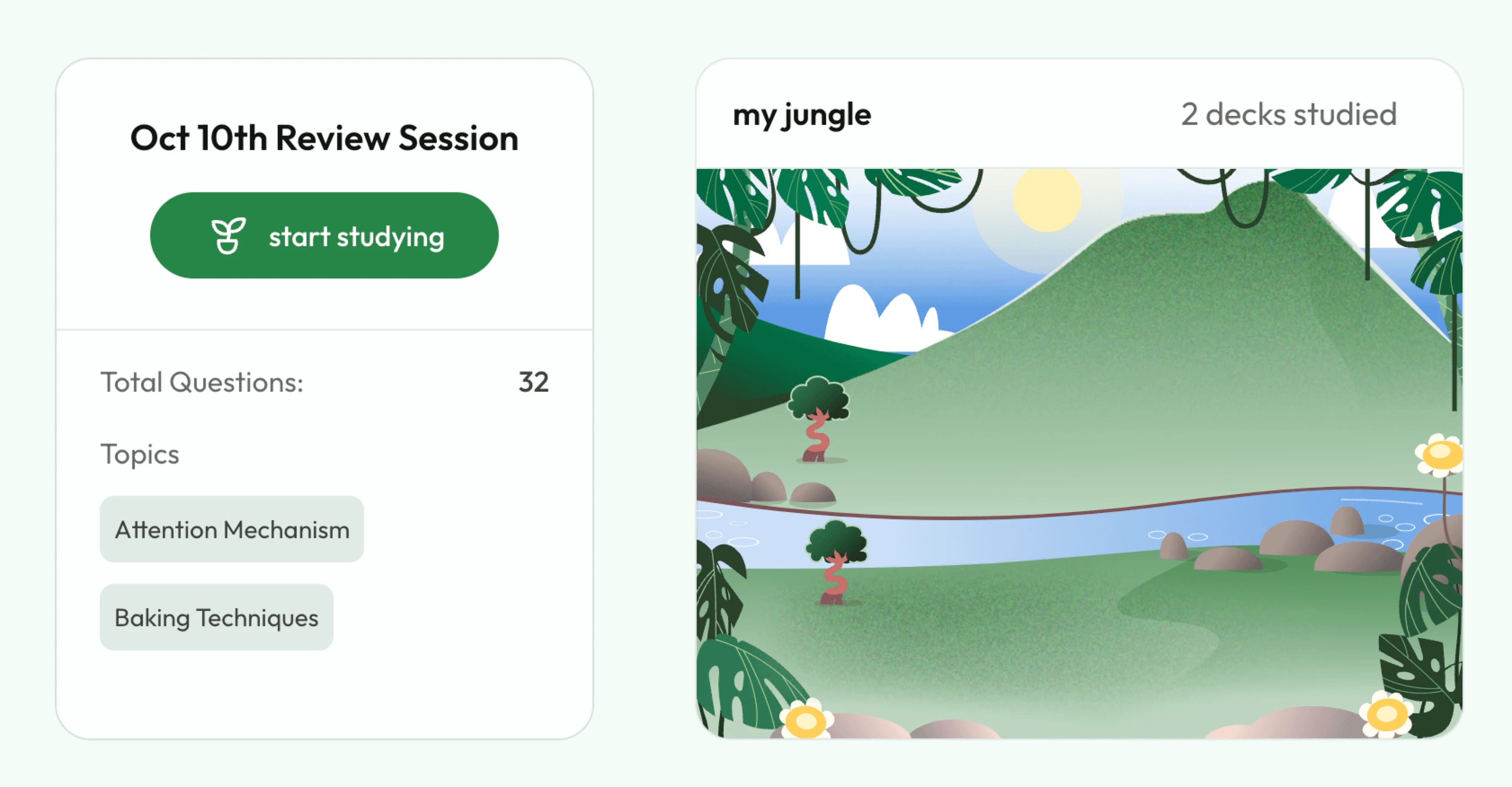
5. Notebook LM – Choice-Driven Class Portfolios and Reflection
With choice comes mess (and memory loss). Students in my choice-driven classes now archive every project version, proposal voice memo, peer feedback slip, or group Q&A into Notebook LM. The AI clusters big themes (“why did so many pivot to video storytelling?”), spots trends, and even drafts podcast reflection scripts. Every month, we record a “catch-up” episode on why we picked, how we struggled, and which path we’d try next time. The real kicker: students lead conference nights with their Notebook LM journey, narrating authentic learning—not just scores or compliance.
Try Notebook LM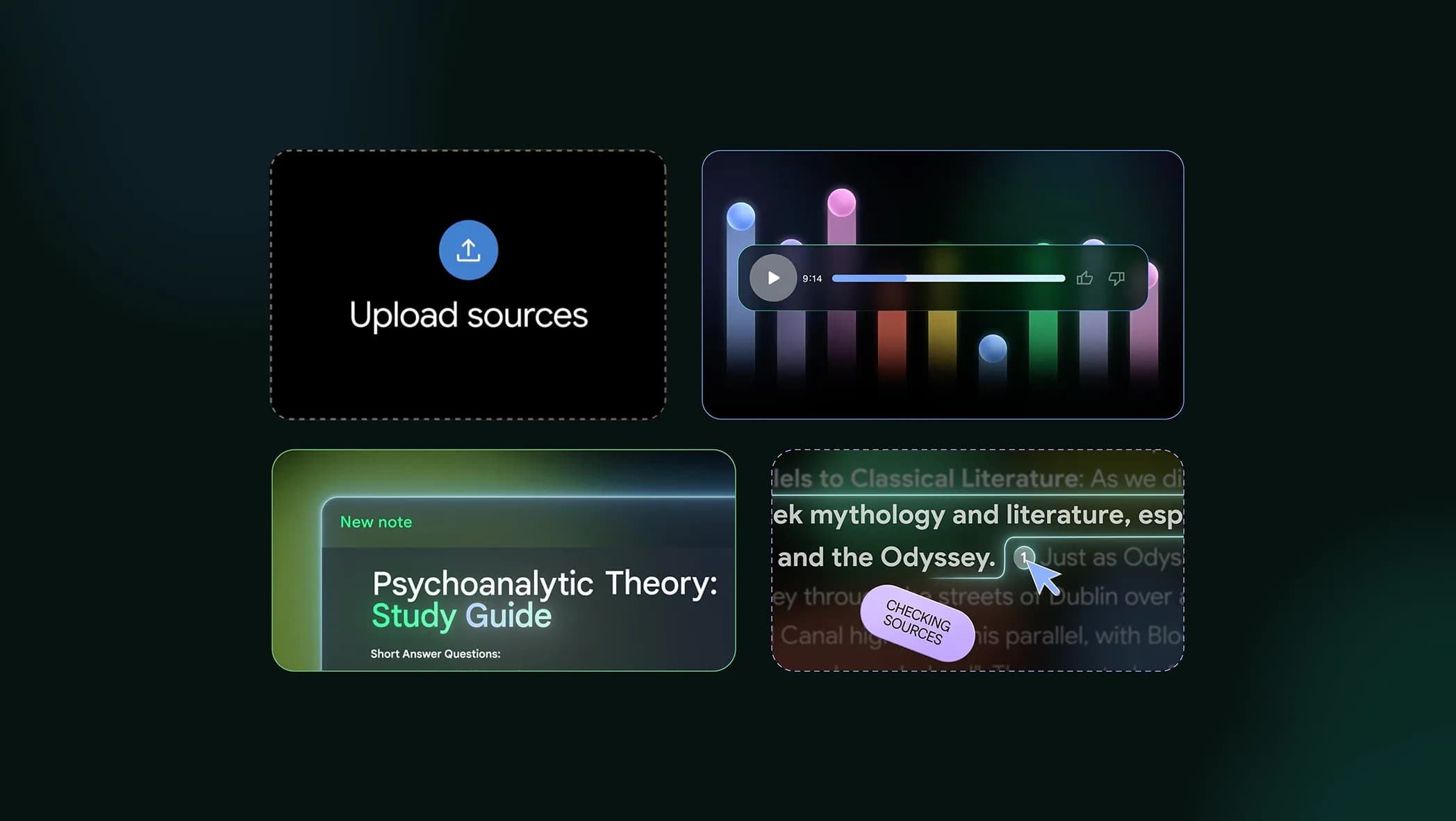
6. Suno AI – Rituals and Soundtracks for Every Unique Path
Choice needs closure—and celebration. Each cycle, students submit lyric prompts for a Suno playlist (“Anthem for Finally Finishing My Wild Project,” “Song for Team C’s Museum Mishap,” “Chant for Flipping the Menu Twice”). Suno turns them into a class-owned track, which we use as the launch for new options, closure after reviews, or to open student expo days. By June, our playlist is a ritual: it’s a sonic boundary between cycles, and every voice has been heard (literally and figuratively) on the journey.
Try Suno AI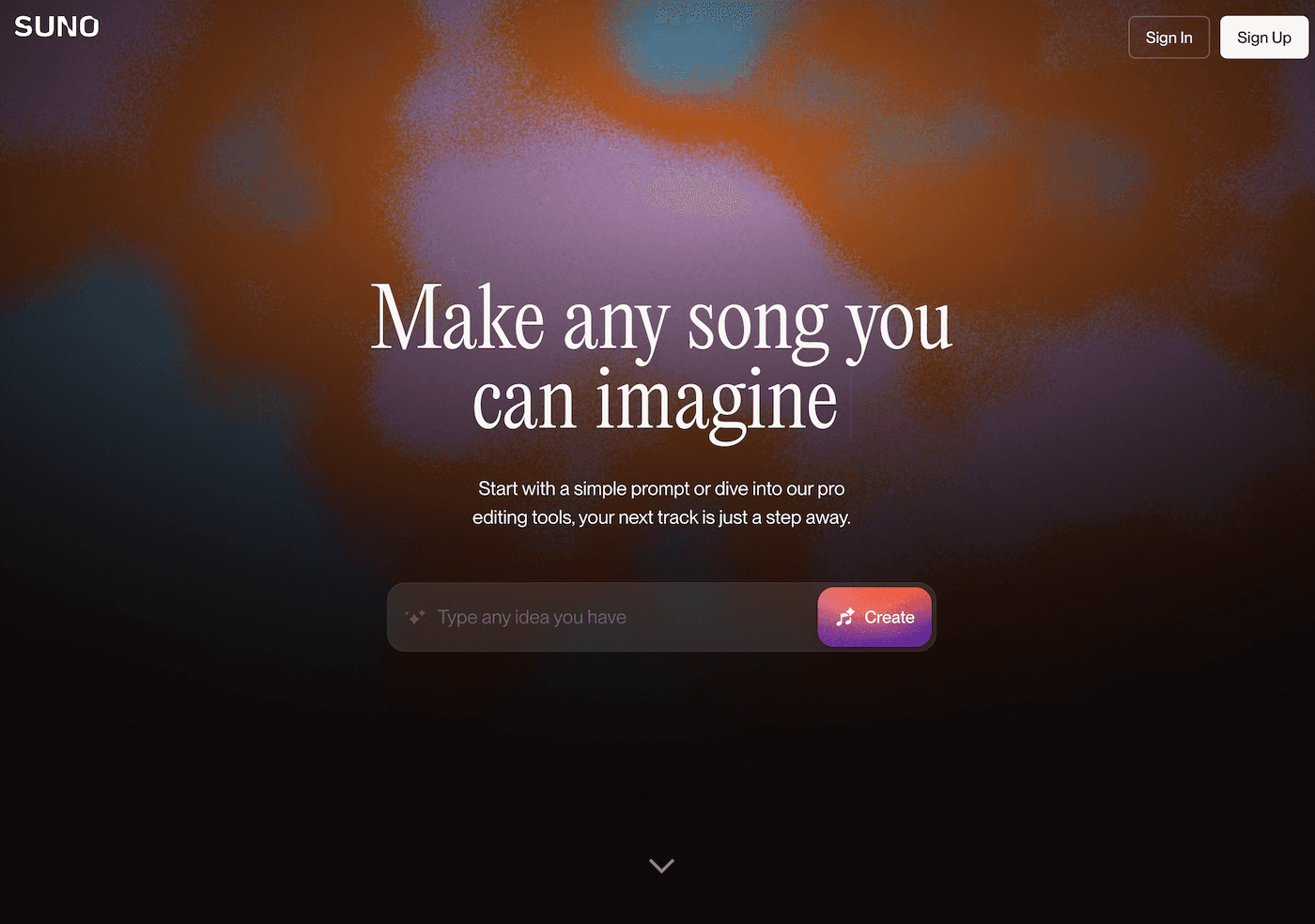
Teacher-to-Teacher Survival Guide for Student Choice
- Archive as you go: Notebook LM, Gamma, and Magicbook mean no project path becomes a dead end—all voices built into class legacy.
- Build visible, adaptable maps: Kuraplan is your best friend when students, parents, and admin all want to see progress (and when things change midway).
- Make accessibility student-driven: Diffit lets every resource become fair game, and review decks via Jungle make the “hard parts” visible and shareable.
- Ritual matters: Suno playlists and review routines keep momentum and culture alive, even across divergent journeys.
Have your own menu, board, or workflow for keeping choice joyful (and manageable)? Drop your tip or story below. In 2025, student agency isn’t extra—it’s the point. Let’s equip each other for the ride!