6 AI Tools for Teachers Who Love Rescuing Failing Lessons
If you’ve ever scanned your students’ faces mid-period and thought, "well, this bombed," this post is for you. I’m the teacher whose favorite minutes come after the plan detonates: the reading assignment nobody finishes, the lab that sets off the fire alarm (in a good way?), or the pop quiz that melts into a full-class debate. If you secretly (or not so secretly) thrill at trying to salvage a lesson gone wrong—and want to actually make the next pivot easier—AI tools are finally catching up to our glorious chaos in 2025.
After a year of teaching 8th grade humanities and running a "rescue squad" for teacher friends who hate when things flop, I tested every AI tool I could. Most try to help you avoid mistakes. I went looking for tools to help you bounce back when the mistakes—yours, or your students’—are already happening. The six tools below are for teachers ready to treat every failed lesson as a potential launchpad instead of a disaster. (And yes, I do mention Kuraplan, but not as the hero—just as my go-to for having a plan B when Plan A goes up in smoke!)
1. Gamma — Instant Post-Mortem Gallery Walks
When things tank, students are the best critics and problem-solvers—if you let them be. At the end of a flat debate or confusing project launch, I have groups upload their "what didn’t work," side notes, doodle critiques, and screenshots of the mishap straight into Gamma. The AI then spins it into a living gallery walk: a timeline of what we tried, where we got lost, and the honest turning points (often, the funniest!). On Mondays, we do a ‘failure parade’ through the Gamma board—tagging "aha!" pivots and proposing new directions. This one workflow transformed my classroom fear of failure into fuel for reinvention.
Try Gamma
2. Kuraplan — How I Replan in Real Time
Let’s be real: It feels like a cop-out to say "we’re changing the plan"—unless you can show a new map. My move? I project the Kuraplan plan, drop deleted sections ("retired quiz," "the homework that made everyone cry") in a ‘landmines’ column, then build our fresh route with students, live. Keeps everyone on track, makes pivots transparent, and gives even the most anxious class a sense of momentum. My tip: Set up Kuraplan with editable check-ins so students know resets are part of your pedagogy, not an accident. Admin love seeing recovery written into the flow!
Try Kuraplan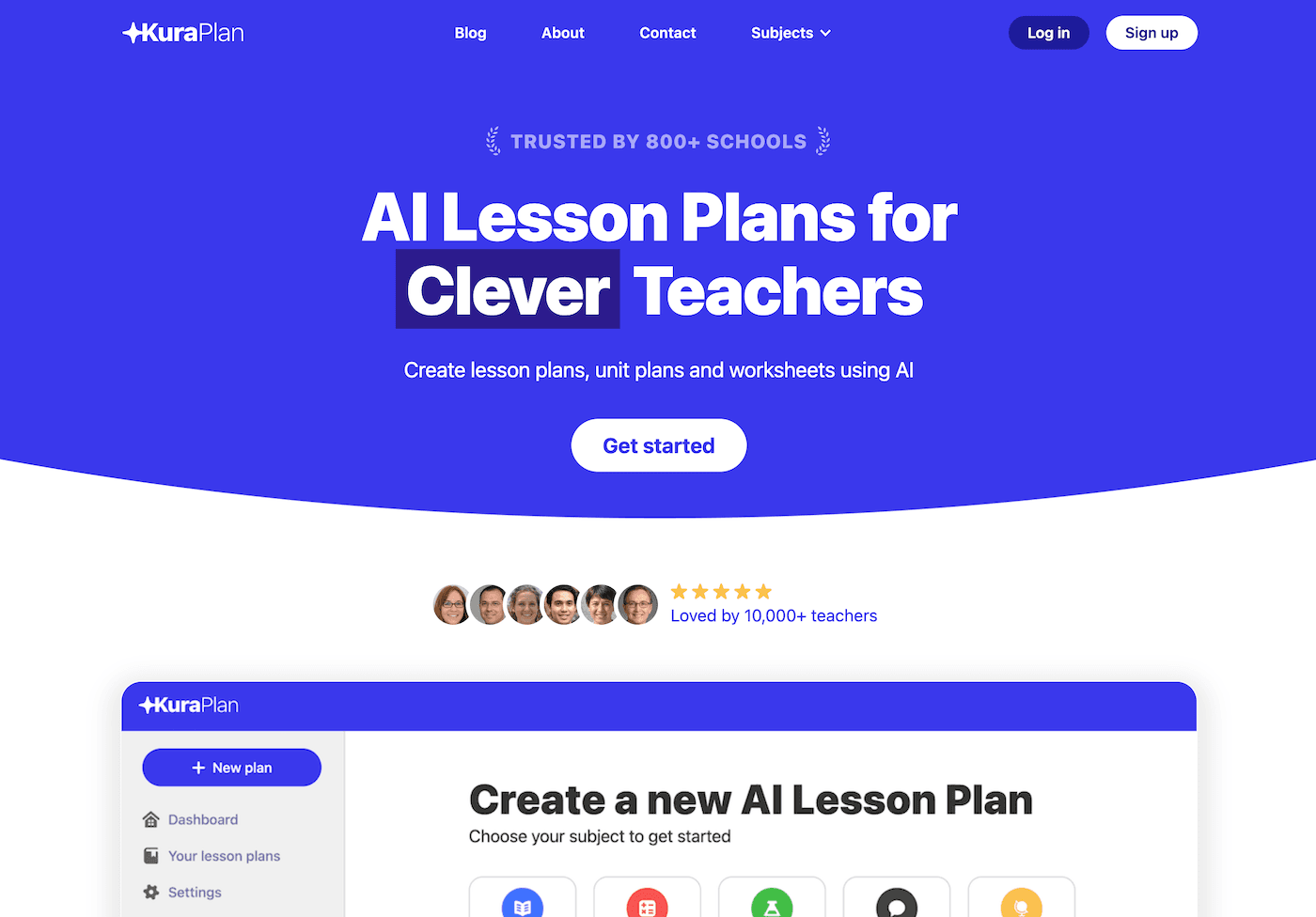
3. Jungle — Peer-Sourced "Stumper Decks" After Disaster
Every lesson flop is a goldmine for metacognition—if you can get students to own the confusion instead of hide from it. Jungle lets me turn every "that made no sense" or "why was the lab like that?" moment into a crowd-built review deck. I ask for honest cards: "biggest wtf," "what I wish the teacher explained," "the most random result." Jungle collates, sorts, and builds instant games out of what actually confused my class. We now run post-flop quizzes where students try to stump me, or revise their own failed projects for the next group. When you stop faking mastery and gamify the confusion, students come back for round two eager to prove what they learned from the miss.
Try Jungle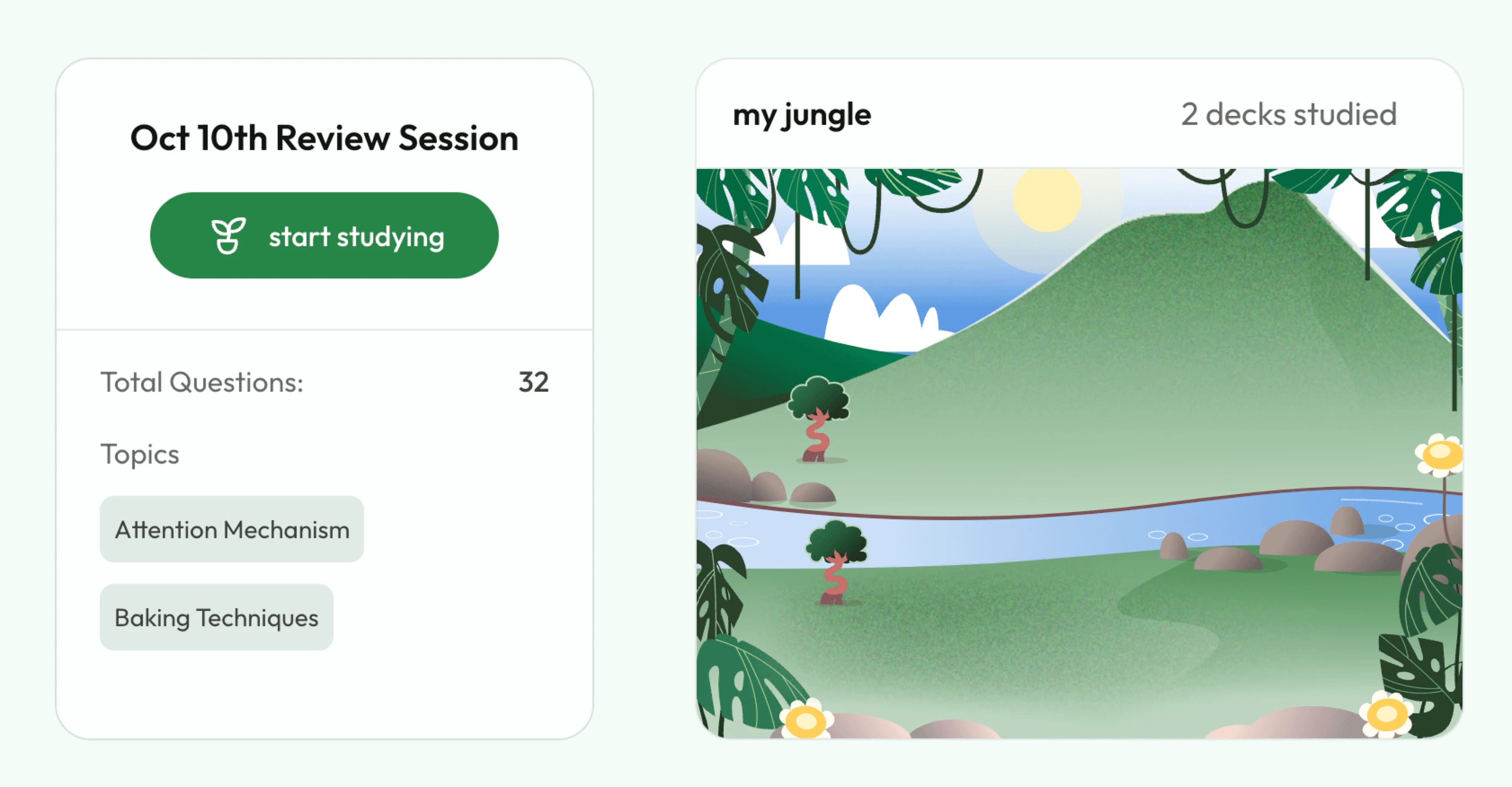
4. Diffit — "Fix It" Packs for When the Source was Too Hard
Ever hand out a gorgeous reading—or link a fire YouTube explainer—only to discover it’s way above your group’s heads? Instead of bailing or improvising a worksheet late at night, I use Diffit: paste in what flopped, and out come multiple readable versions, with built-in vocab and customizable questions. I give these "make it work" packs to students who struggled, let advanced groups compare what got left out, and challenge everyone to spot new angles. Bonus: Ask students to Diffit their own found sources after a misfire, so the next try is always more accessible and collaborative.
Try Diffit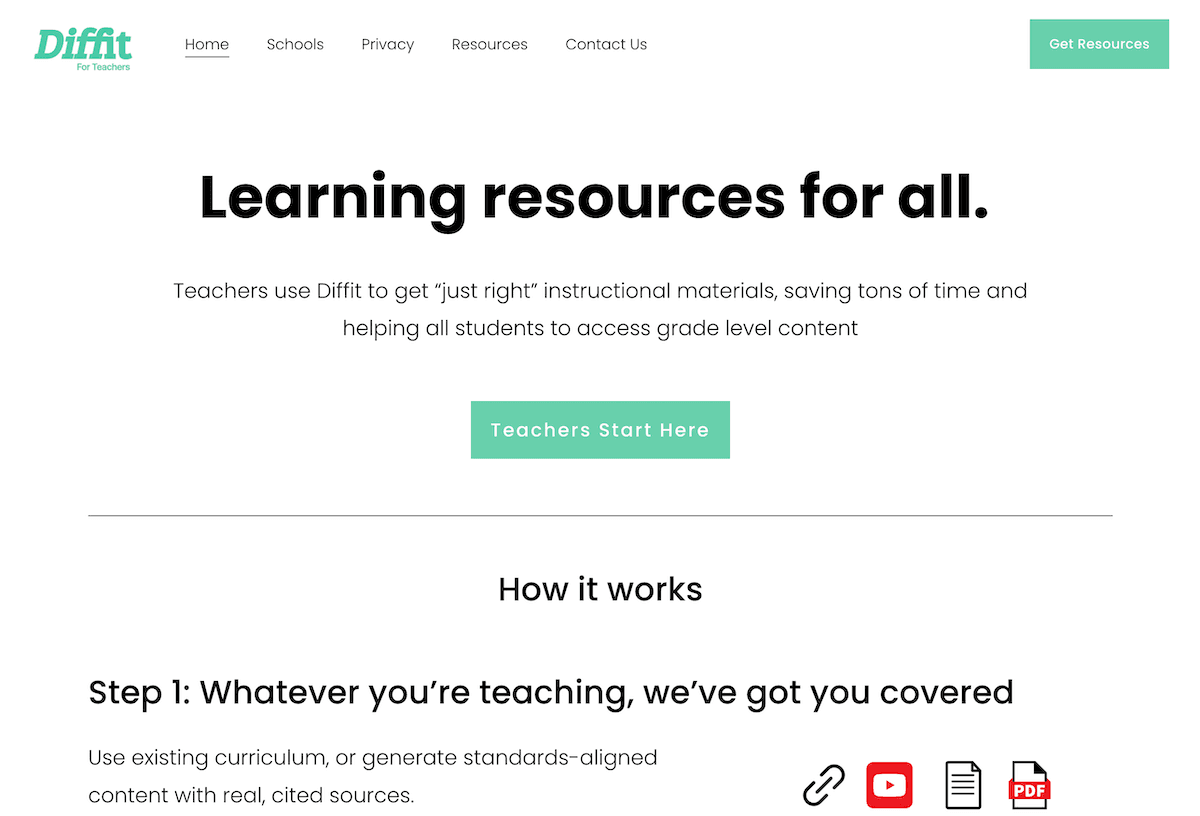
5. Notebook LM — Turning "That Didn’t Work" into Next Week’s Plan
Reflection is supposed to follow success, but my best ideas come out of what didn’t work. Now, after a failed lesson, I prompt students (and myself) to add a voice memo, sticky note, or “what went sideways” reflection to a shared Notebook LM notebook. The AI clusters common themes, traces connections across multiple failed assignments, and proposes podcast recaps or next-step questions for launch. By Thursday, we have a "how could this have worked?" bridge into the next iteration—making every dead end the start of something new. I even play the Notebook LM highlight reel for parents to show them we learn more after things blow up than when it all goes to plan.
Try Notebook LM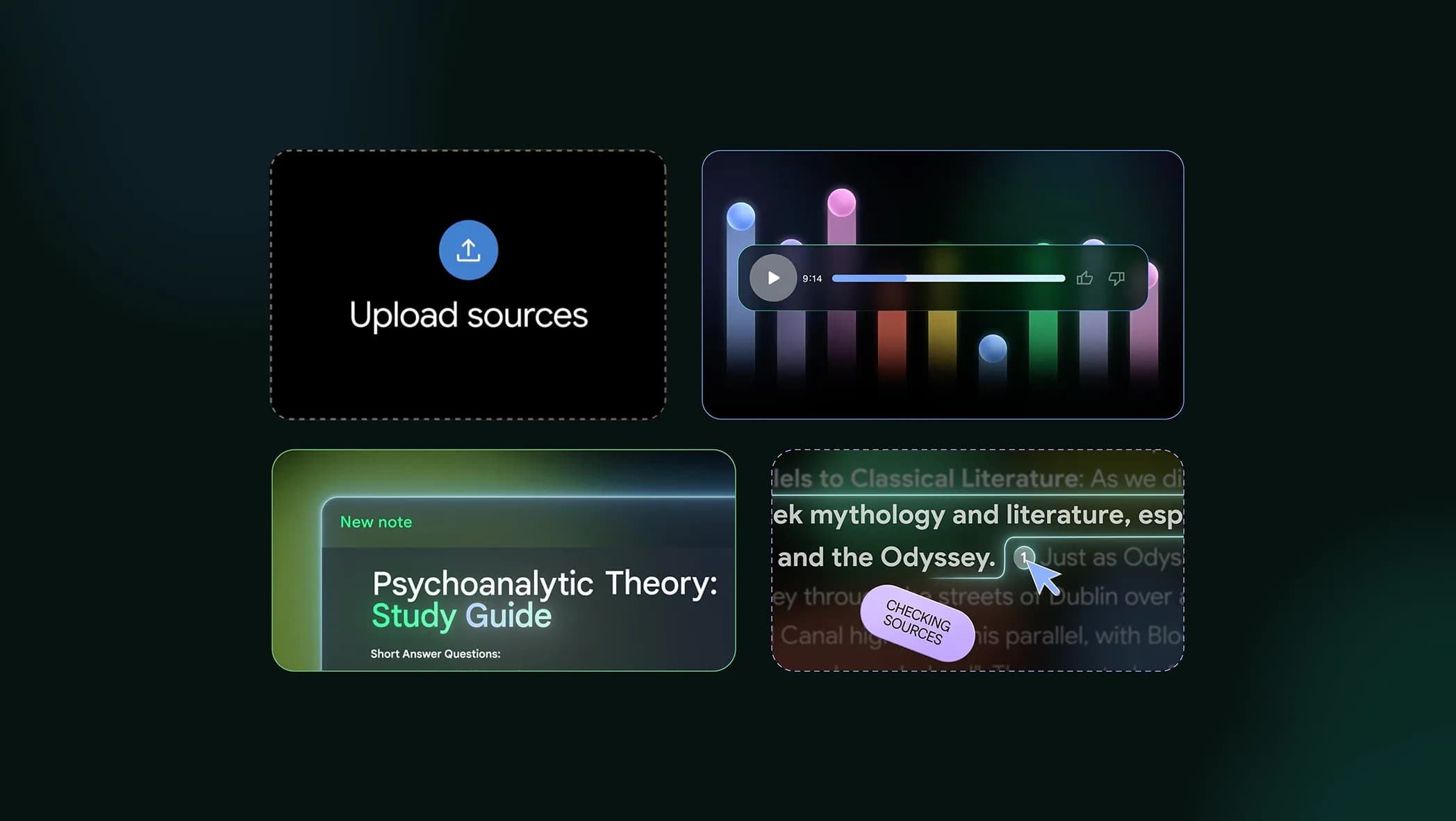
6. Suno AI — Ritual Songs to Celebrate Flops and Comebacks
Culture matters most after a setback. After every botched test, lost lab, or weird elective meltdown, my students propose a prompt for Suno: "Ode to the group that crashed the robots," "Song for bouncing back after debate week," “Anthem for rerouting field trip week.” Suno turns their lyrics into a soundtrack—part closure, part group therapy, all reflection. By year’s end, our flop playlist is a badge of pride—and our comebacks that much sweeter. Students ask to play the “Great Recovery” anthem before presentation day and parents love seeing resilience on display as much as success.
Try Suno AI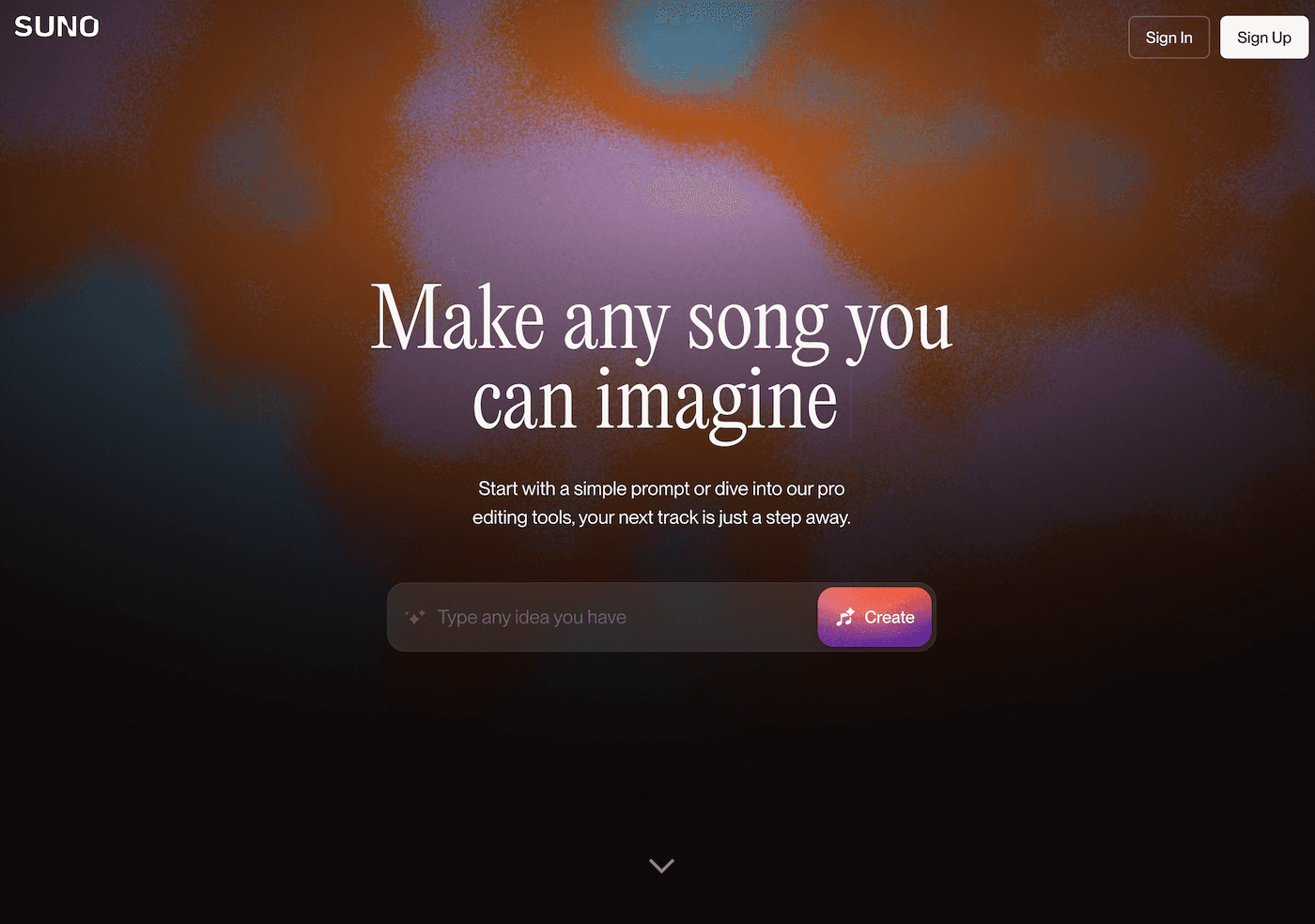
Last Words from a Proud Lesson Rescuer
- Build for pivots, not just coverage. Use AI to make second chances strategic, not random.
- Archive the misfires. Gamma and Notebook LM mean you can show growth and humor over time.
- Gamify the process of bouncing back—Jungle and Diffit turn tough moments into review, not just retry.
- Make planning transparent and editable—Kuraplan is a tool, not a script; rewrite with your kids, not just for them.
- Ritualize resilience. Suno’s playlist reminds your class (and you!) that every rescued lesson becomes a story worth telling.
If you’ve ever rescued a failing lesson, or found an AI-and-student hack that turned a flop into a win, drop it below. We’re all one lesson away from creative magic—sometimes, all it takes is a tool to help you say "Let’s try again—together."