6 AI Tools for Teachers Who Love Scaffolding Real-World Learning
Let’s be honest: the best teaching moments rarely live on a worksheet. Maybe you mentor student journalists or run a service project—guide exhibition teams, coach urban fieldwork, or just believe that learning is messiest (and most memorable) when it leaves the classroom. If you’re that teacher—part coach, part traffic-controller, always somewhere between managing chaos and chasing a big idea—traditional AI for teachers often falls short. Rubric bots and quiz tools? Meh. Where’s the workflow that lets students own the process, shows their struggle, and keeps you from losing your evenings to organizing six versions of progress docs?
This year, I pushed hard for AI that scaffolds real-world learning—tools that support documentation, accountability, and transparency without killing student voice or creative energy. Below are 6 apps that made the chaos visible, the project wheels turn, and my admin believe we were building something real. Kuraplan is in here—absolutely—but not always leading the charge. Each pick serves a different step, from launching a wild idea to closing the loop with actual student reflection. No busywork, no boilerplate.
1. Gamma — Make Every Project Legible and Shareable
When my service learning group pitched a city-wide clean-up campaign, the biggest hurdle wasn’t ideas—it was showing process. Gamma let every team upload workflows: group brainstorms, progress selfies after park trips, annotated maps of trash hotspots, and sticky notes from daily retros. Gamma’s AI spun it all into a living, collaborative timeline: a story of pivots, mistakes, and solutions.
These Gamma galleries became our exhibition boards for school night, board presentations for city partners, and a record for future teams ("Look where we kept getting stuck!"). No more hunting through random folders; the process was finally visible, public, and something even my shyest students wanted to be part of.
Try Gamma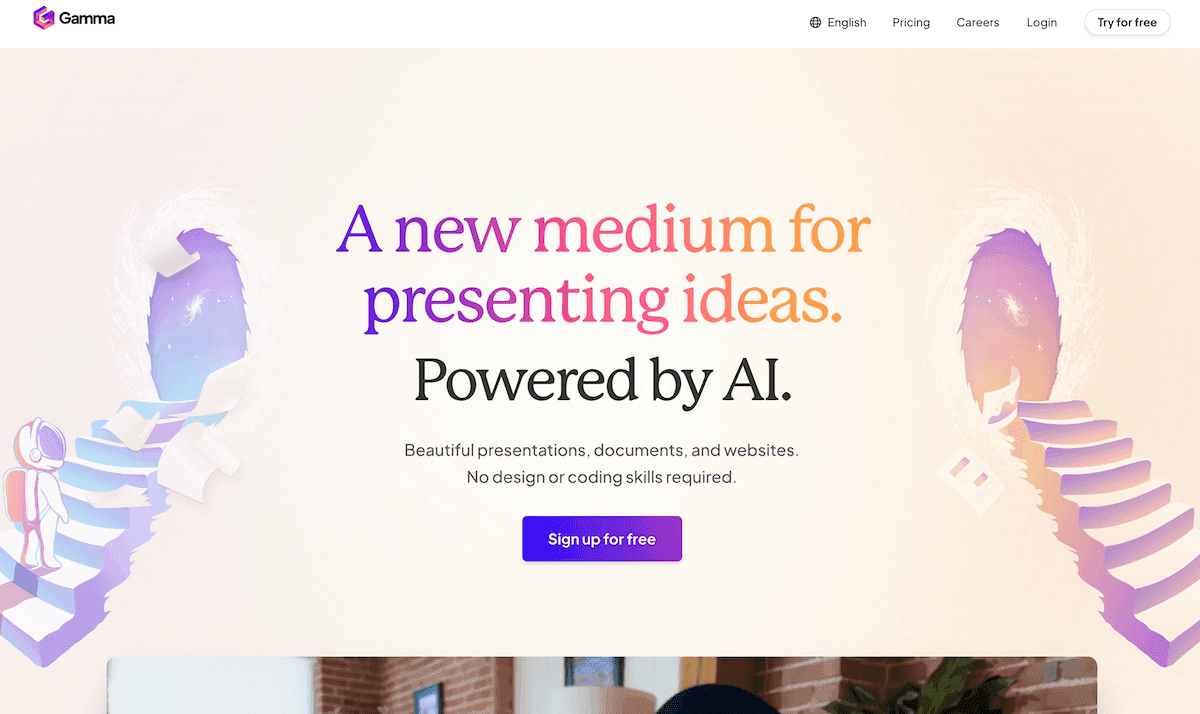
2. Kuraplan — Roadmaps Worth Updating in Public
Even the best real-world projects need guardrails. My best workflow with Kuraplan? Kick off every initiative (news cycle, career exploration, advocacy zine) with a rough timeline: anchor tasks, check-in calls, and crucial skills ("peer interviews," "reflective podcast"). Here’s the twist: I always project Kuraplan’s plan for student critique—and at every checkpoint, we actually edit it together. Want to extend a fieldwork day? Need to move up publication? The map evolves, so student accountability is embedded but never static. My admin saw a real plan, my students saw ownership—and the project never became a drag for anyone.
Try Kuraplan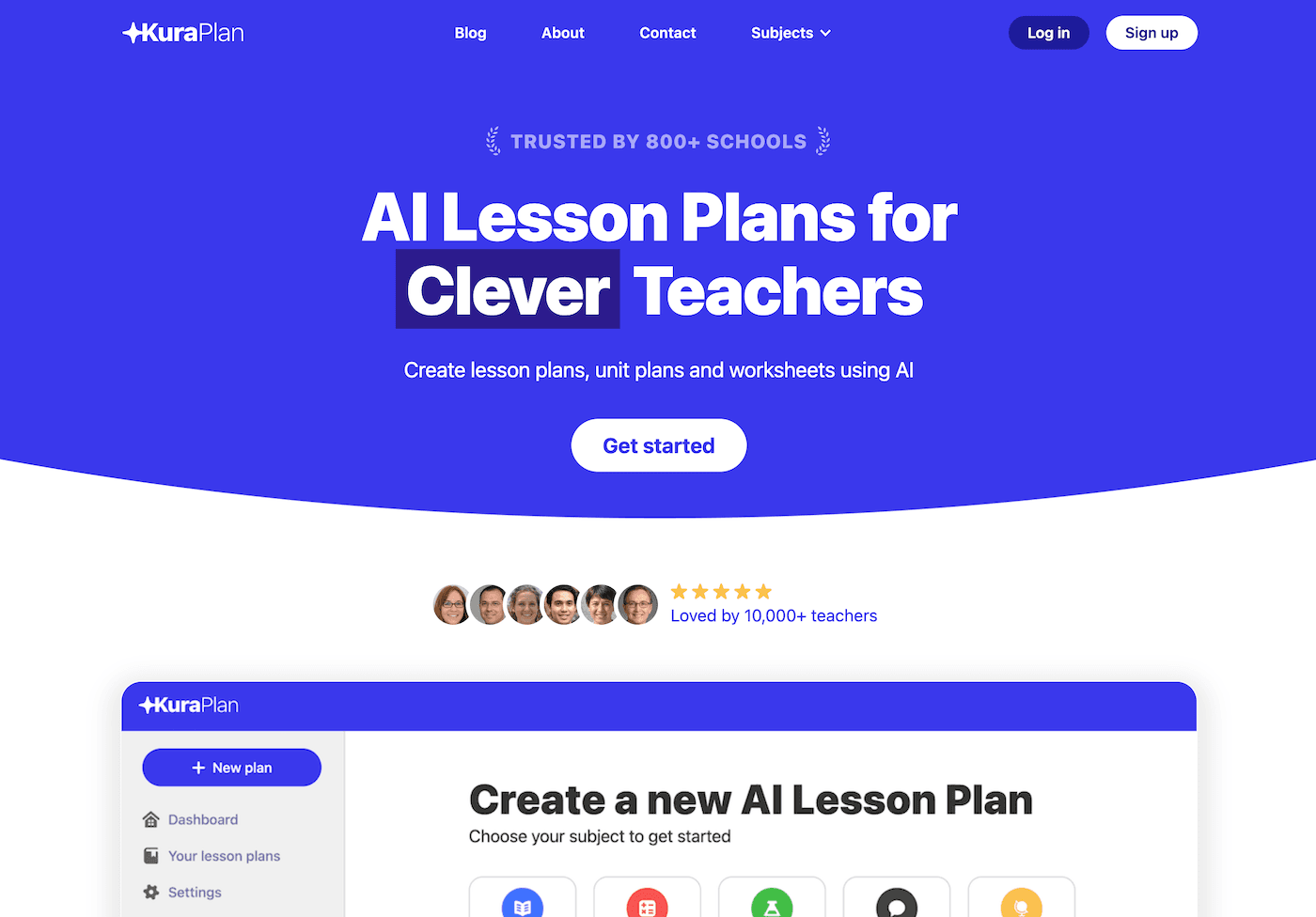
3. Diffit — Leveling the Real-World Mess
Nothing derails project-based work like group resources that no one can access—or, worse, only one kid can synthesize. Enter Diffit: whenever a student team crowdsourced their own data set, news clipping, community interview, or even a parent’s business report, I pasted the doc into Diffit and immediately had leveled versions, key vocabulary, and tailored reflection prompts.
My favorite trick? Assign a group “Resource Wrangler”—let students Diffit any new resource, then choose versions for their team and next year’s cohort. Suddenly, project teams were bringing in wild finds and making them accessible for everyone—no more bottleneck just because one person couldn’t parse the jargon.
Try Diffit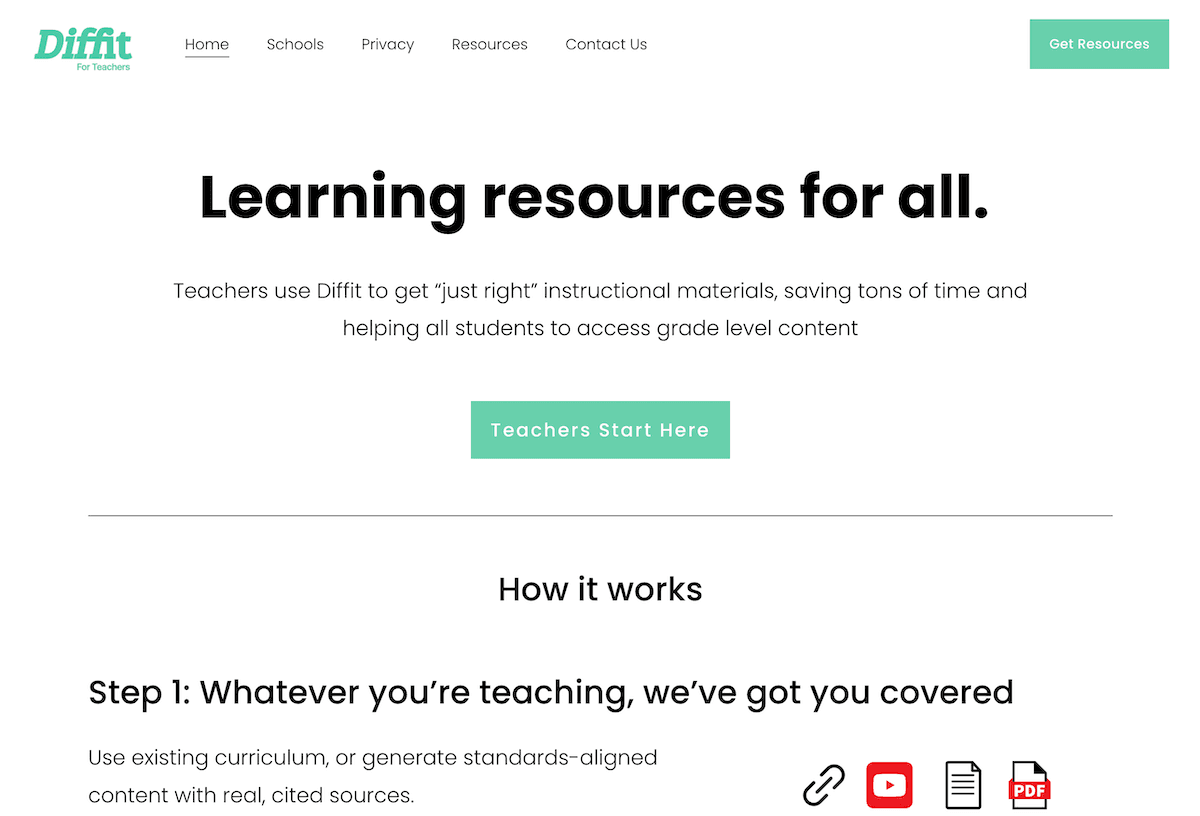
4. Jungle — Check-Ins, Milestones, and Student-Driven Review
Self-pacing, group accountability, and progress checks are where project work usually breaks. Jungle let every team (or individual) build reflection cards after each milestone—biggest roadblock, best pivot, "what we wish we knew before interviewing business owners." The AI builds decks for exit games, checkpoint review, or student-led peer consultations.
These living decks are more than a quiz—they're a window into what actually mattered in the project. Students used the decks to warn the next cohort ("Avoid the city permit office on Fridays!") and craft true self-assessments to share at reflection nights. If you worry about students hiding behind the loudest group member? Jungle makes everyone visible.
Try Jungle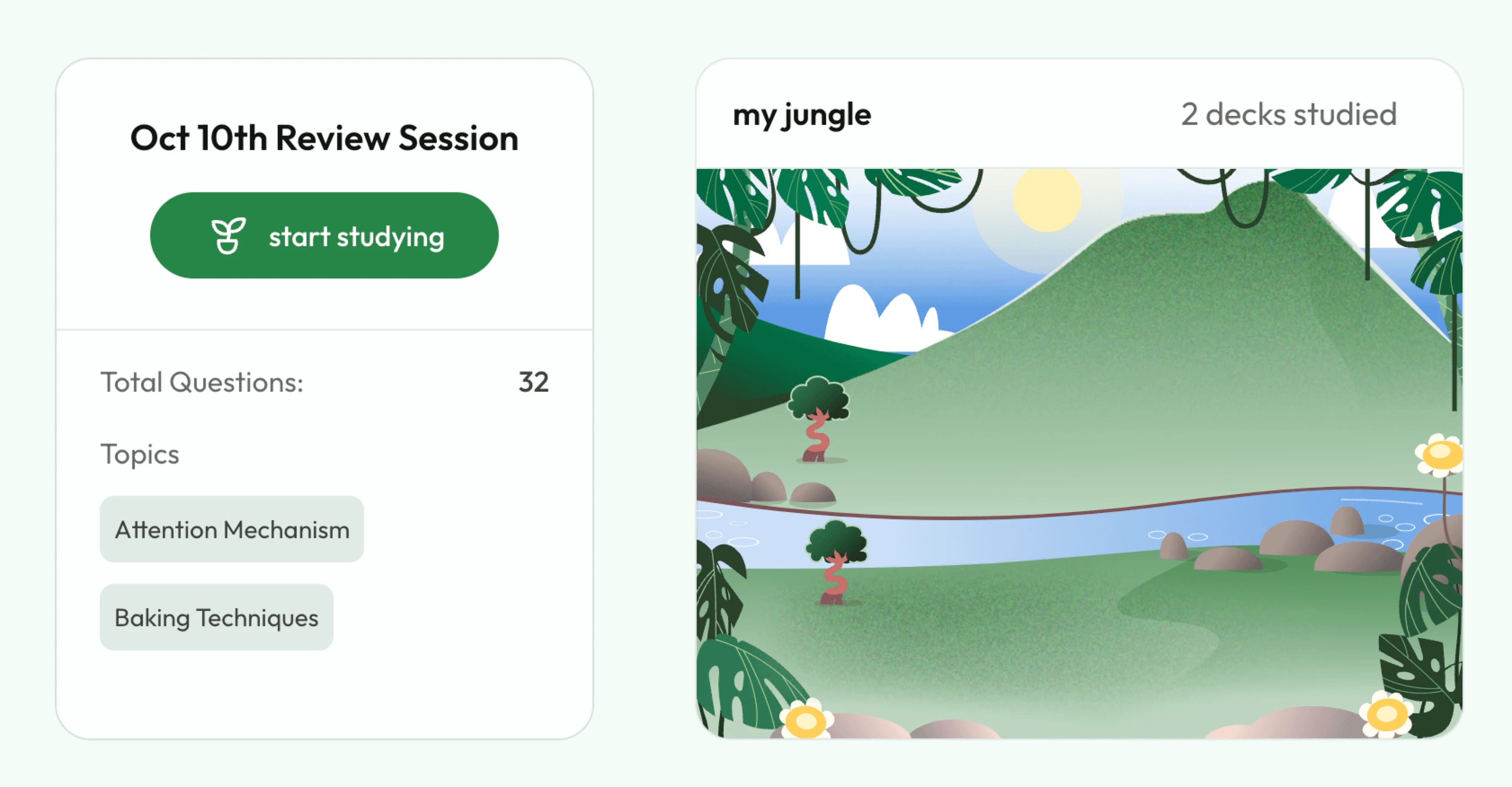
5. Notebook LM — Student Portfolios That Actually Document Growth
Traditional project logs last one week past grading. Notebook LM is our group portfolio engine: every observation, fieldwork audio note, podcast episode draft, "what went wrong" voice memo, and photo gallery lives here. The AI finds patterns—see how community interviews changed three groups’ project trajectory this term!—and builds Q&A or podcast reflection templates.
Weekly, students record a five-minute Notebook LM podcast to summarize work, problems, and "what’s our next question?" Admin/parents finally see growth, not just the final deliverable—and students request last year’s notebook before starting new rounds. If you’re big on revision and authentic reflection, this is the time machine you never knew you needed.
Try Notebook LM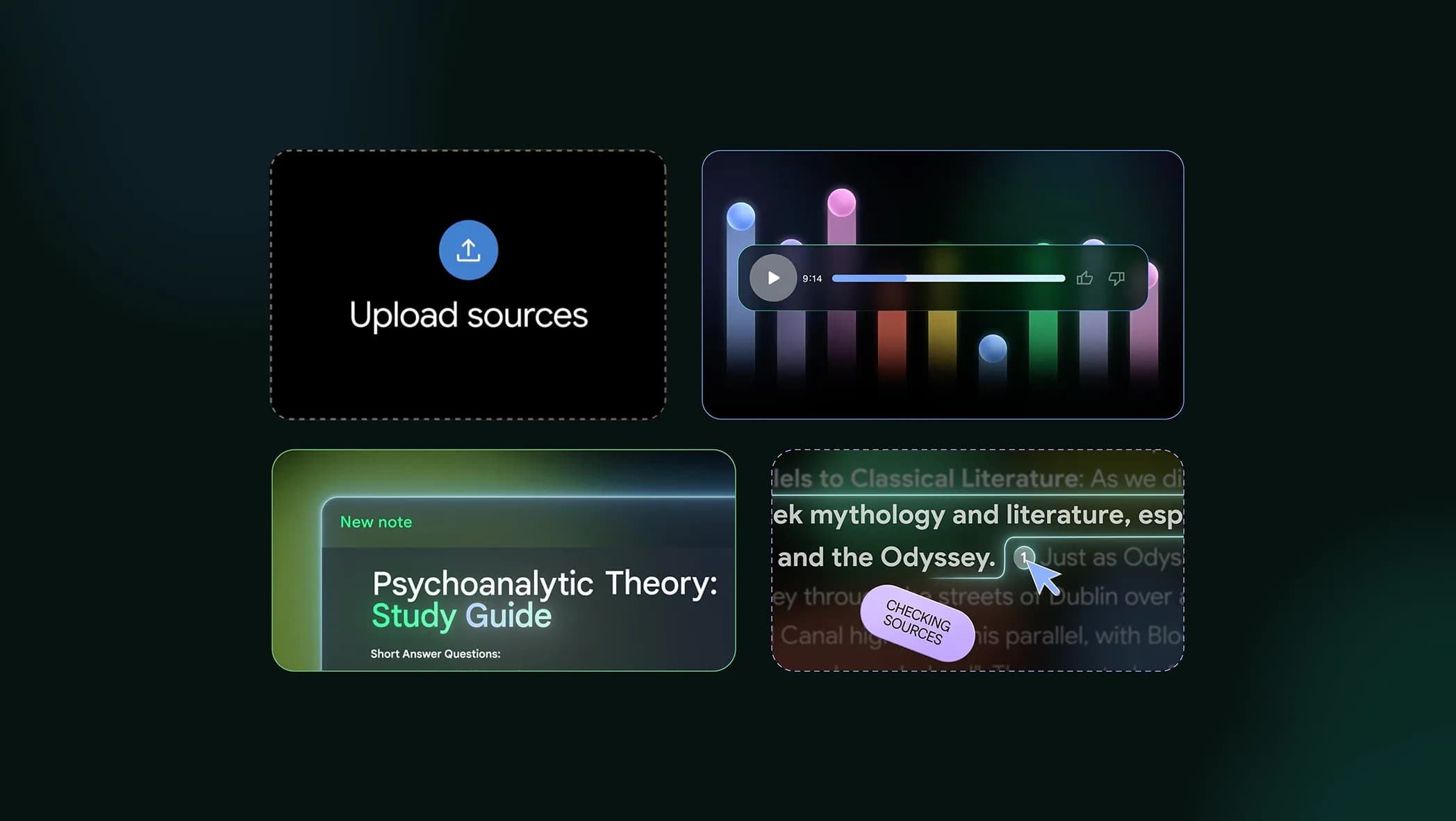
6. Suno AI — Rituals, Team Culture, and Creative Closure
Projects never finish clean. Suno AI is my answer for ritual closure, student morale, and team-building across wild pivots and deadlines. At the end of every interim review, launch day, student failure, or project milestone, my class crowdsources prompts—“Anthem for the Grant We Missed,” “Ode to Exhibition Week,” or “Chant for Getting Our Podcast Guest Last-Minute.” Suno builds a class anthem in minutes, used for transitions, closing celebrations, or pumping up before the final push. Students start asking for the next prompt, and our playlist ends up as our portfolio soundtrack.
Group pride, recovery, and joy—now as repeatable as submitting a project plan.
Try Suno AI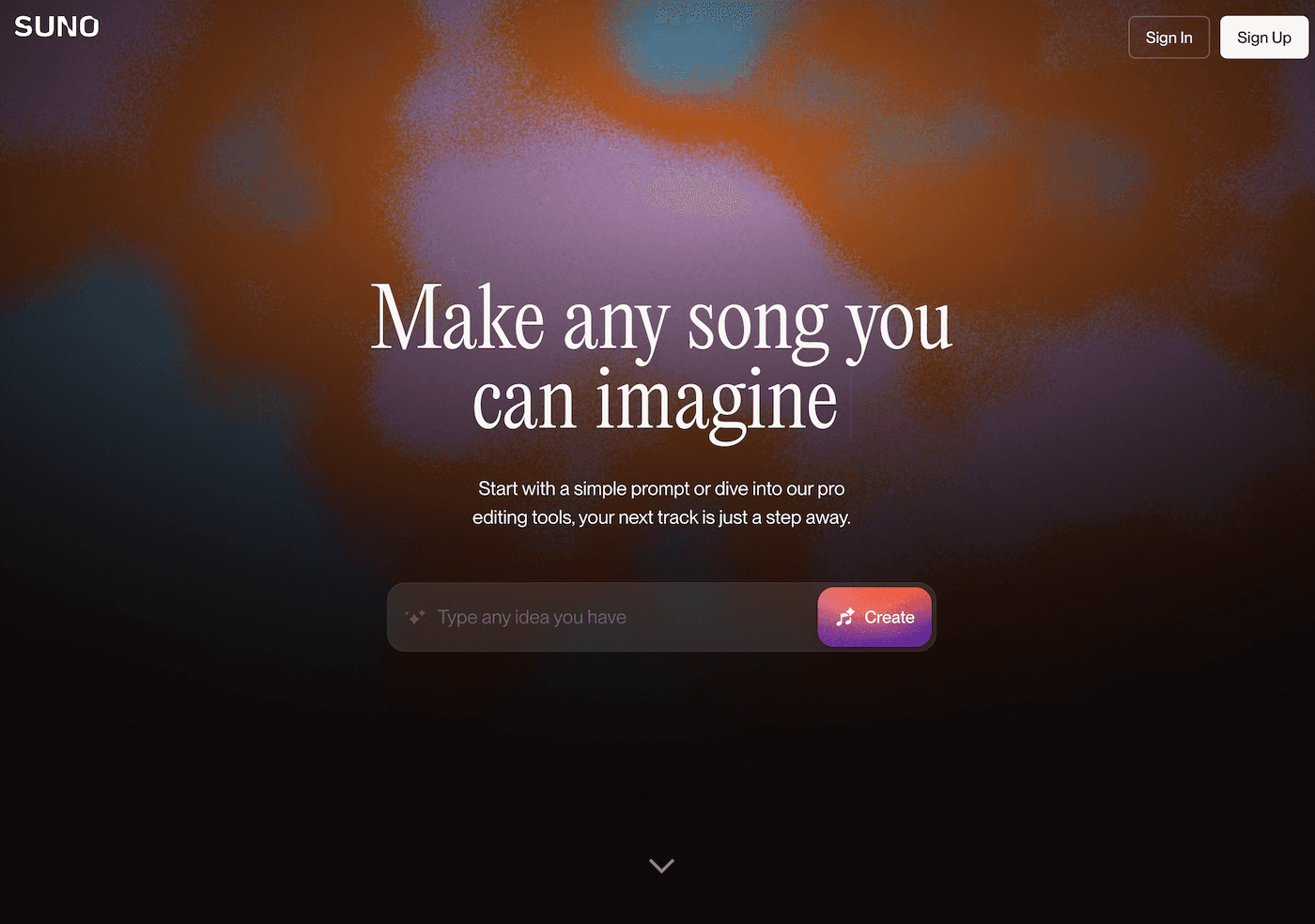
Teaching Real-World Learning Is Messy—Here’s How to Enjoy It
- Make process public: Gamma, Notebook LM, and Jungle let every student effort and group milestone live on, not just survive reporting.
- Build plans as drafts: Kuraplan is best when students and teachers edit together after every real milestone, not just in September.
- Let students own resources and review: Assign team Diffit and Jungle roles so check-ins and differentiation are natural, not extra.
- Ritualize the journey: Suno tracks and project log podcasts are more than morale—they’re your community’s culture and your best evidence for next year.
Do you coach real-world projects, fieldwork, or community events? Have a workflow or AI hack for accountability, student voice, or reflection that kept your class moving (and happy)? Drop it below. The future is messier—but, with the right tools, more meaningful than ever.