6 AI Tools for Teachers Who Love Rapid Feedback
Not every teacher is wired for patience—especially when it comes to feedback. If you're the kind who believes learning happens fastest in the glow of a quick high-five (“Nice thesis twist!”), the “try again” after a math misfire, or an instant prompt that nudges a student forward (not just "wait until Friday’s hand-back pile")—this blog is for you. I’ve taught mixed-level classes for years, and I know that the difference between good lessons and transformative ones isn’t the rubric—it’s how fast and how safely students (and you!) get to adapt in real time.
But let’s be honest: most tech is built for either waiting (gradebooks, formal assessments) or automation (autograde, auto-comments). After a year of actually using AI in daily practice, I found a stack of tools that really amplify fast, human feedback—making learning loops visible, public, and (sometimes!) even fun. Kuraplan gets a mention up top—it’s my favorite blueprint for building feedback cycles into every unit, but isn’t the only star here.
1. Gamma – Turning Student Thinking Into a Feedback Gallery
Peer review, exit slips, and formative check-ins used to fill my recycling bin before they built any momentum. Gamma changes the game. After every brainstorming session, group draft, science experiment or Socratic seminar, I toss photos of student whiteboards, answer snapshots, and sticky-note critique into Gamma.
Its AI assembles a digital timeline or review wall that every student (and I) can annotate. Students "star" the most helpful comment, flag feedback loops (“here’s where our argument took a turn!”), and see a living, classwide record of advice and progress. Best move: project Gamma every Monday for a “What Did We Learn—And Fix—Last Week?” meeting. Review goes from a black hole to a badge of growth.
Try Gamma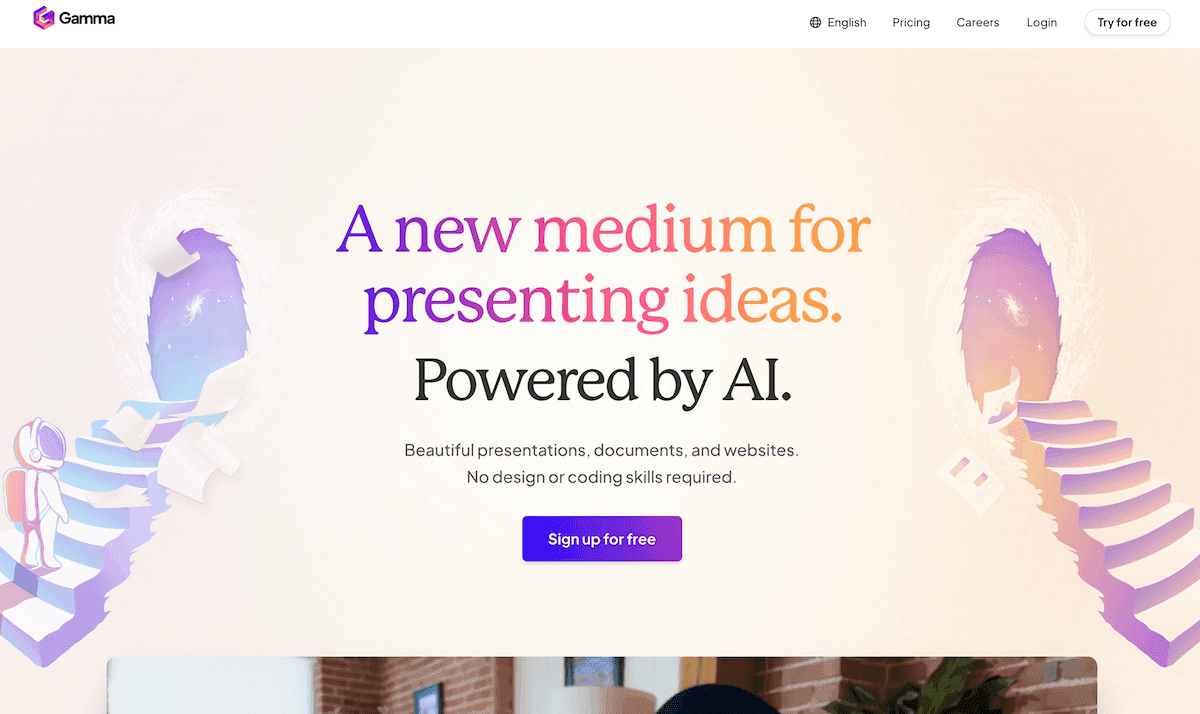
2. Kuraplan – Blueprinting Feedback Windows Into Every Unit
Feedback isn’t a phase—it’s a rhythm. My workflow: I create a Kuraplan plan for each new unit, dropping visible feedback slots RIGHT into the timeline ("Draft Check 1,” “Peer Feedback Day,” “Teacher Q&A Jam,” "Mid-Unit Student Self-Report"). Every milestone includes not just a checkpoint for grades, but a dedicated slot for instant, two-way feedback. Crucially, I project the living roadmap (and let students or co-teachers edit it each time a new question or feedback need pops up).
The result: reflect, review, and revision is baked in (not just hopeful afterthoughts), and admin can finally see process as much as product. Students learn to anticipate and ask for feedback—sometimes before I’m ready!
Try Kuraplan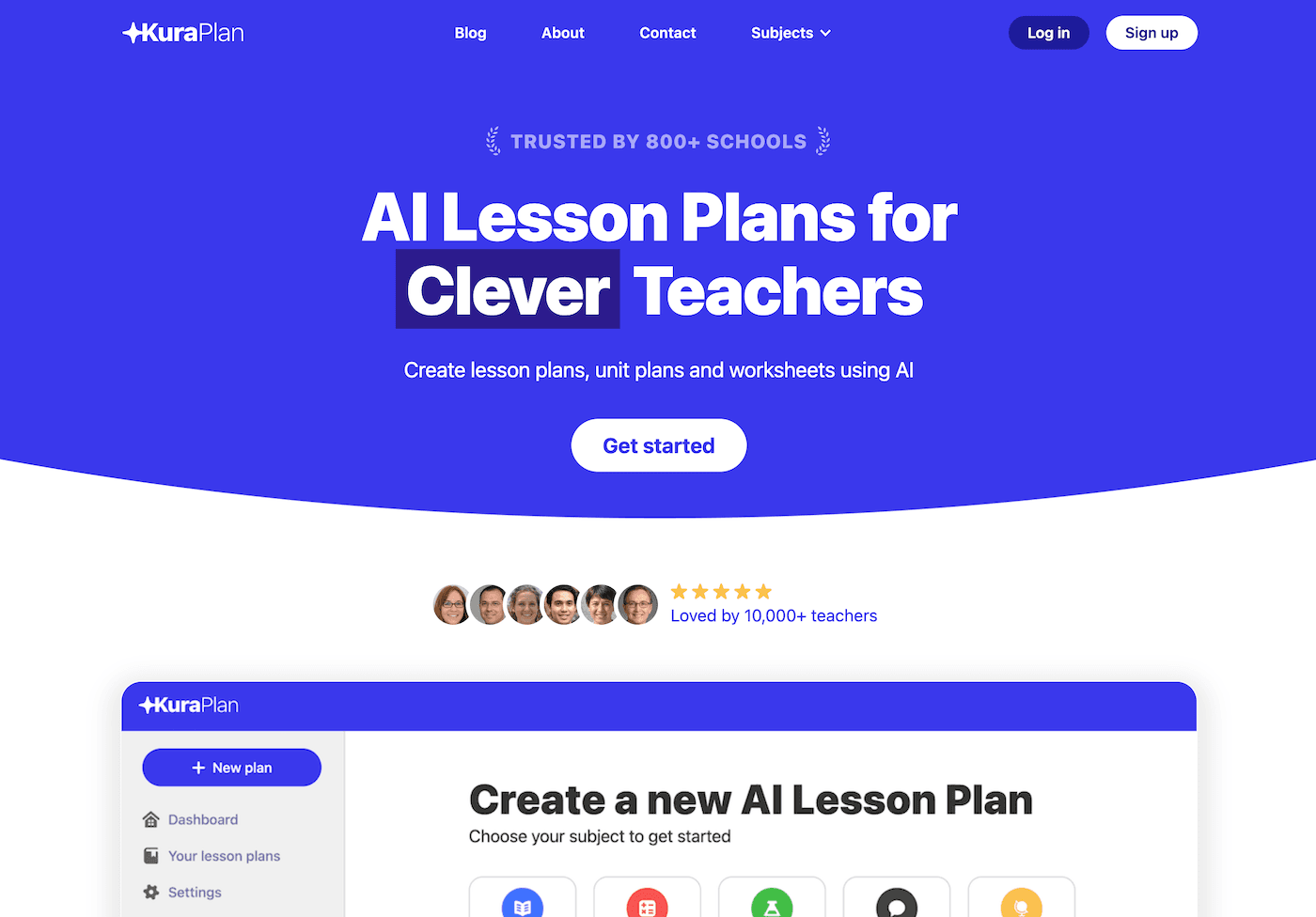
3. Jungle – Gaming Student Reflection in Real Time
Roll out a quiz? Kids are nervous. Roll out a Jungle feedback game? Even my hesitant learners are first to the board. After any assignment, project, debate, or math challenge, my students drop “best fix,” “where I struggled,” or “coolest peer suggestion” into Jungle as a flashcard.
Jungle’s AI organizes these into a live game deck—perfect for small group review, Do Now, or a reflection station. As the teacher, I can highlight common themes right away, surface questions with the most “me too!” votes, and flip the script so feedback is exciting, not just required. The best ritual: review what this group struggled with before letting next week’s class try it. Real-time, classroom-owned learning memory.
Try Jungle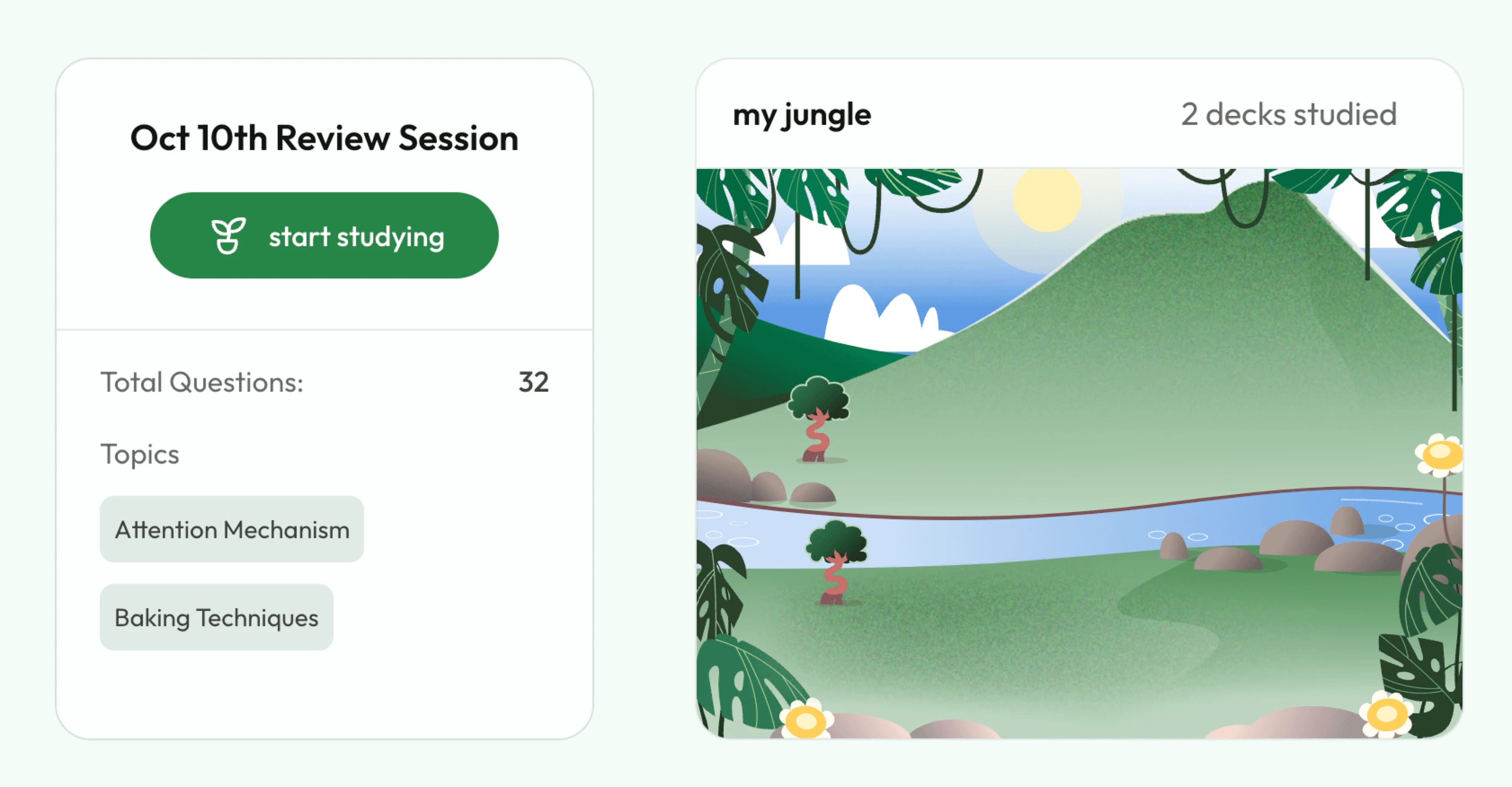
4. Gradescope – Fast, Patterns-First Feedback for Teachers
When students crave quick input, but you dread the grading pile—Gradescope snuck ahead as my sanity saver. Scan in open-ended, multi-draft, or messy responses, and the AI quickly clusters similar work. I deliver targeted feedback ONCE per cluster (“Great claim, but evidence unclear,” “Careful with number lines!”), then write quick personal notes for outliers, edge cases, or brilliant moves. Students get more actionable, pattern-based feedback—on Wednesday, not just the following Monday.
My best workflow: After review, present class-wide trend notes (“Most of you rocked reasoning, but cite your sources!”) and let students use that as their revision roadmap. Feedback becomes the fastest bridge between “I’m lost” and “I get it now.”
Try Gradescope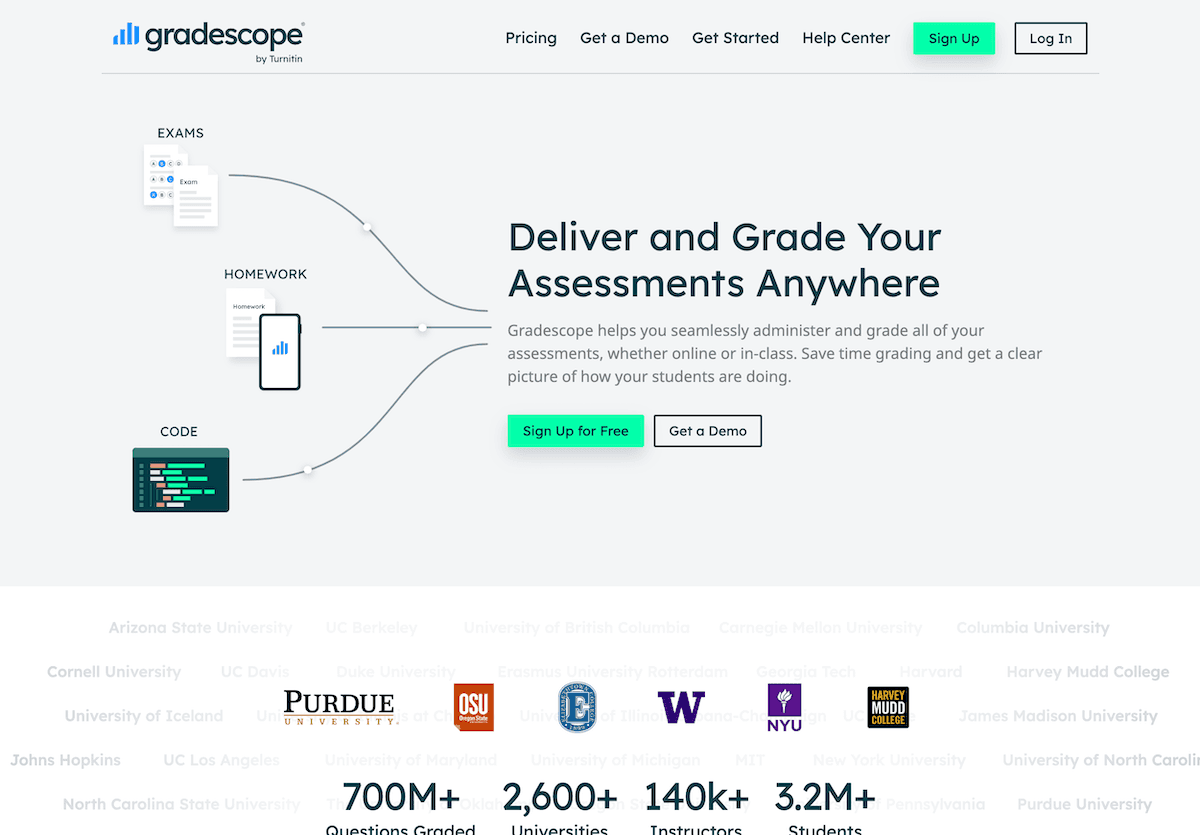
5. Diffit – Adaptive Prompts for Formative Feedback
Every classroom has its unreachable spots: the student who needs a different reading, the group who learns better by video, or the parent who asks for a feedback summary at home. Diffit lets me paste in peer feedback forms, exit slip prompts, or even quick text reflections (student or parent-written!) and instantly produces leveled versions, vocabulary glossaries, and creative extension questions.
I assign differentiated peer/self-assessment at every feedback station—and use Diffit at parent conferences for accessibility. Even my least confident students can reflect, revise, and self-assess without extra scaffolding or teacher intervention.
Try Diffit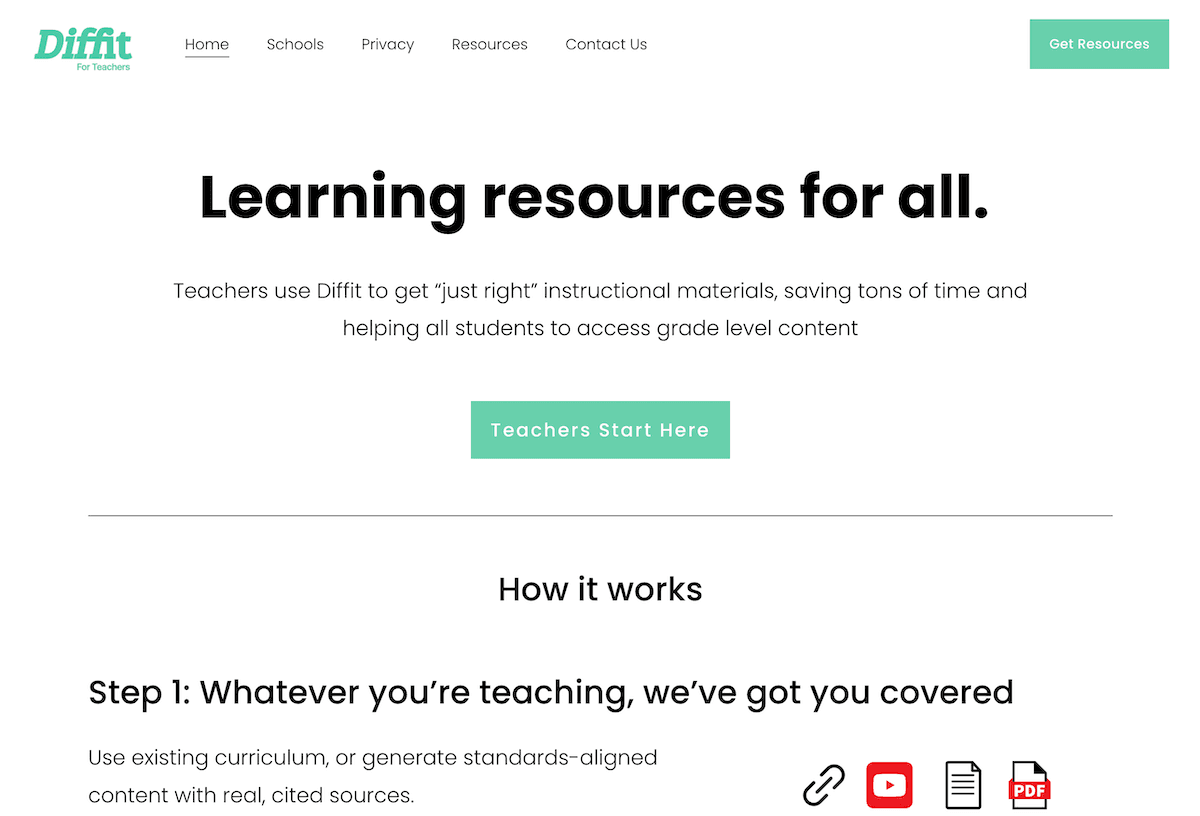
6. Suno AI – Rituals and Soundtracks for Celebrating Feedback Moments
Nothing cements growth like a group cheer—or a silly ritual. Suno AI is our class energy reset: after every big feedback round, critique, or revision week, student groups submit prompts (“Chant for Surviving Peer Review,” “Song for Level-up Day,” or “Anthem for Learning From Our Mistakes”). Suno instantly produces a unique class track, which we use to close the session, anchor reflection moments, or even open the next round of edits.
Feedback starts to feel less like work, more like culture; we build a playlist of progress, not just another checklist of corrections. By spring, every student’s voice is part of the process—and every Friday we groove before self-evaluation.
Try Suno AI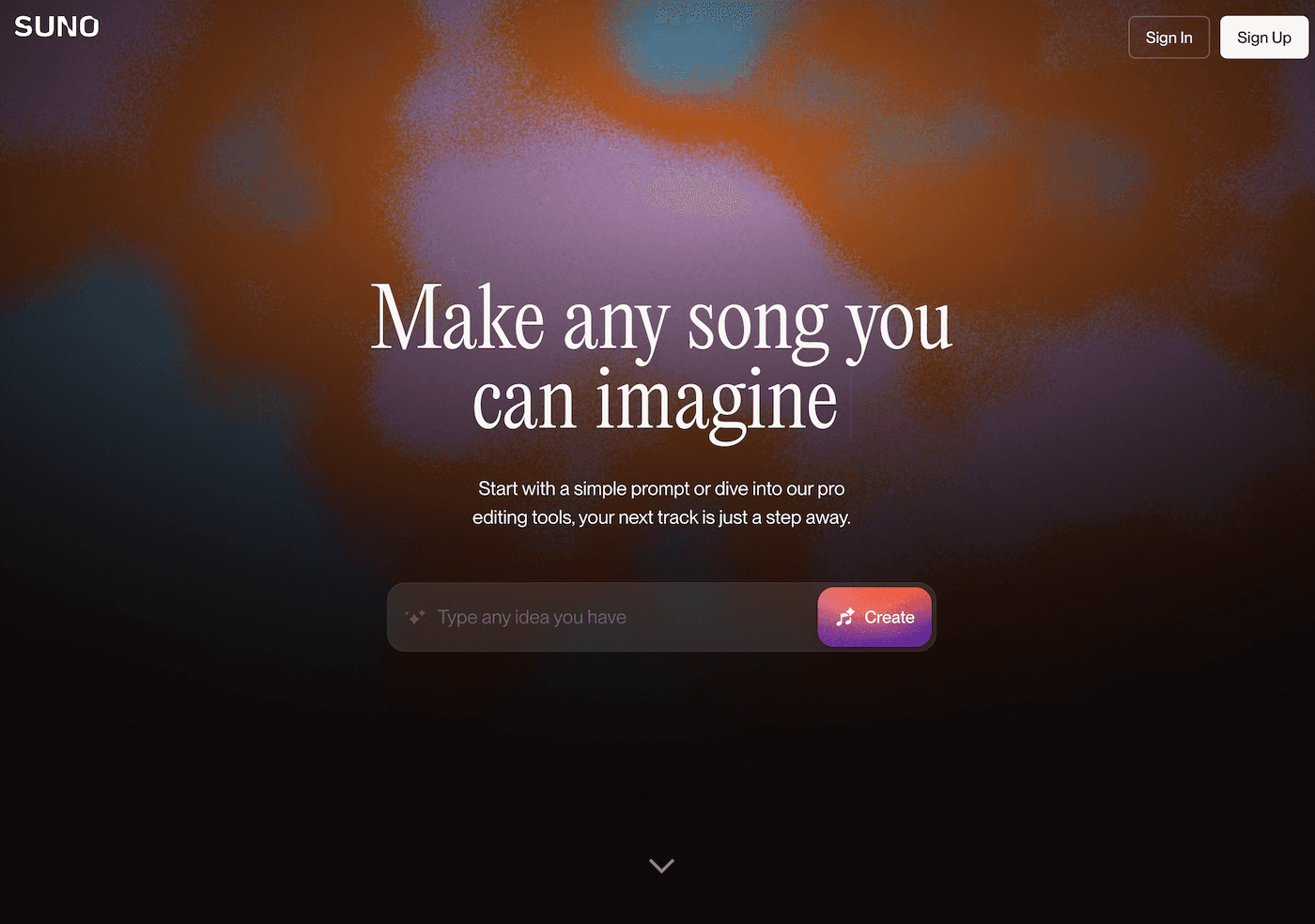
Real-World Tips for Teachers Who Won’t Wait for Growth
- Archive feedback as you go—Gamma and Jungle turn every suggestion into memory and next week’s launchpad.
- Make planning visible and editable—Kuraplan is only as good as its willingness to support change and new checkpoints. Let kids help design the feedback rhythm.
- Use fast, pattern-driven tools to scale your voice—Gradescope gets revision off your desk and back in student hands, quickly.
- Differentiate reflection AND feedback—Diffit is your engine for true inclusion.
- Ritualize the result—Suno soundtracks become the heartbeat of your growth culture, not just a postscript.
Are you a teacher addicted to learning in real time, or have your own rapid-feedback workflow or AI hack? Share your stories, favorite rituals, or new discoveries below. Making feedback fast, visible, and joyful isn’t just a win for students—it’ll transform your teaching, too.