6 AI Tools for Teachers Who Rethink Homework
Let’s be honest: traditional homework is losing its shine—if it ever had any. As a veteran middle school ELA/Social Studies teacher (and mom), I’ve seen packets get lost, copied, or eaten by dogs. When “practice” becomes a synonym for “pointless purses of time,” we lose both student motivation and our grip on what really matters. But in 2025, the right AI tools can help us reimagine homework—not as more desk work, but as a space for meaningful reflection, creative project launches, parent-student connection, or even genuine rest.
This past year, I set out to replace my most-dreaded nightly assignments with home learning that my students (and their families) actually wanted to talk about. Here are 6 AI-powered tools (plus one unconventional workflow each) that helped me reclaim homework for real-life learning and relationship-building. Kuraplan pops up after #1 (for mapping, not mandates!), but each pick offers a fresh take on bringing home learning to life.
1. Gamma – Transform Reflections into Home Gallery Walks
I used to assign weekly reading logs that disappeared into grading limbo—and so did student insights. Switching gears, I now prompt students to capture a photo, voice memo, or group brainstorm representing their best "aha" outside school each week. Gamma’s AI turns these into a class gallery, annotatable by students and even parents on their own screens. On Mondays, we open with a “home learning walk”—students scroll their peers’ moments, comment, and nominate highlights for our classroom wall.
Why it works: Suddenly, homework isn’t a compliance check—it’s a family conversation starter and a bridge between learning and living. Students take pride in showcasing curiosity, not completion.
Try Gamma
2. Kuraplan – Design Homework Menus, Not Monotonous Must-Dos
Here’s where I changed my planning routine: every unit launch in Kuraplan now includes “choice boards” for home learning. Rather than assigning everyone the same chapter worksheet, I use Kuraplan to prototype menus—creative podcast prompts, family interview assignments, 10-minute at-home builds, or collaborative revision rounds. Each week, students select from options aligned to the unit’s actual learning goals—and Kuraplan updates the map to show which types have been picked (or ignored) over time.
Pro tip: Once per month, collaborate with students (and even caretakers) to co-edit the option list, ensuring relevance AND ownership. Homework stops being a chore and starts serving your teaching goals—for all kinds of learners.
Try Kuraplan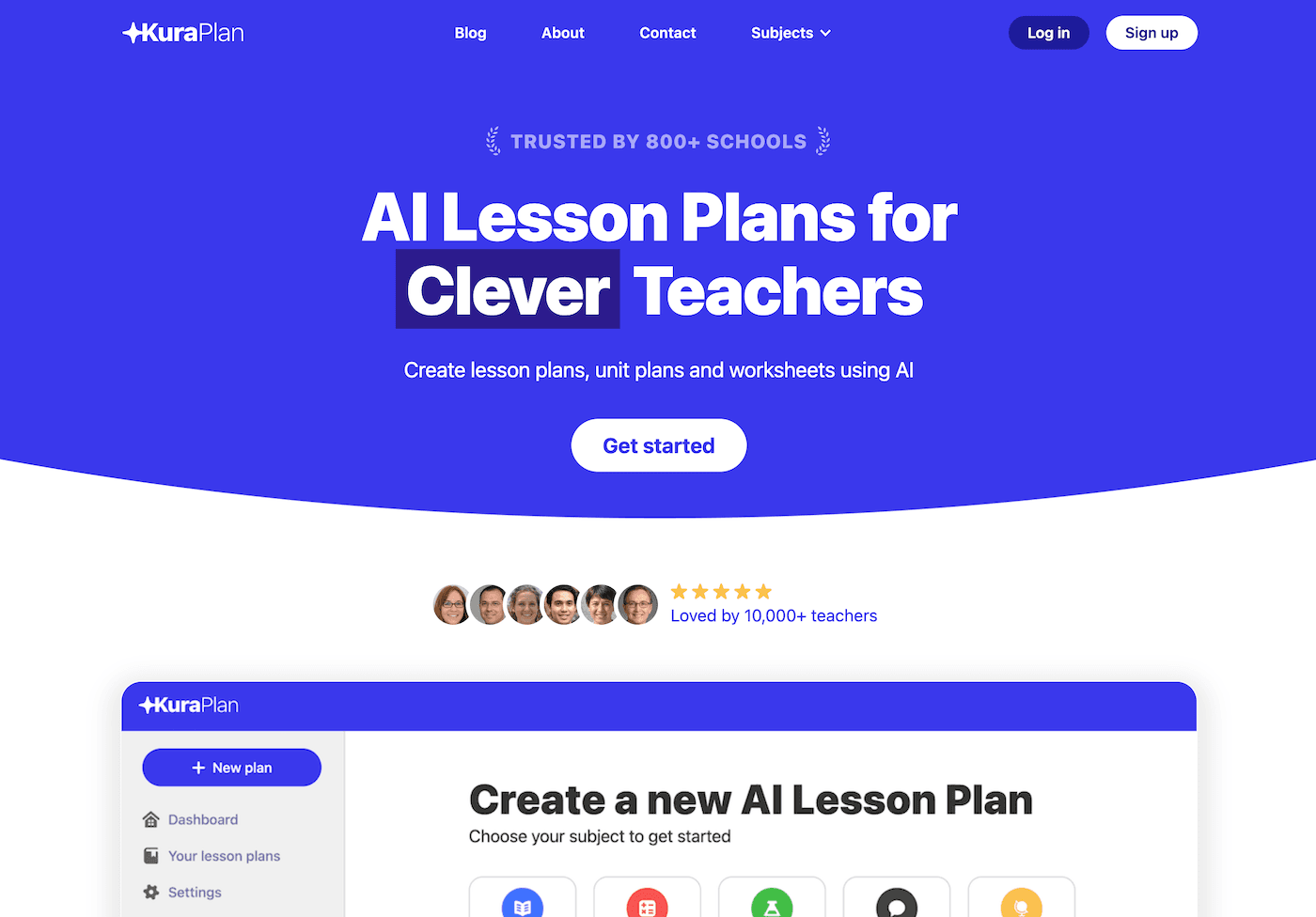
3. Diffit – Make Any Home Resource Instantly Accessible
Every family has a different context. Some weeks, a student wants to share a family recipe for the culture unit; another’s parent forwards an amazing news article. The catch? The reading level is all over the place. With Diffit, I have families, students, or even myself drop any resource—from a YouTube transcript to a community newsletter—into Diffit. Instantly, the tool spits out leveled readings, vocab, and comprehension/creativity prompts.
Workflow: Allow students to pick an article that means something at home, run it through Diffit, and share reflections, new questions, or their own reworded summaries. Suddenly, differentiation isn’t a barrier—it’s the starting point for authentic student voice.
Try Diffit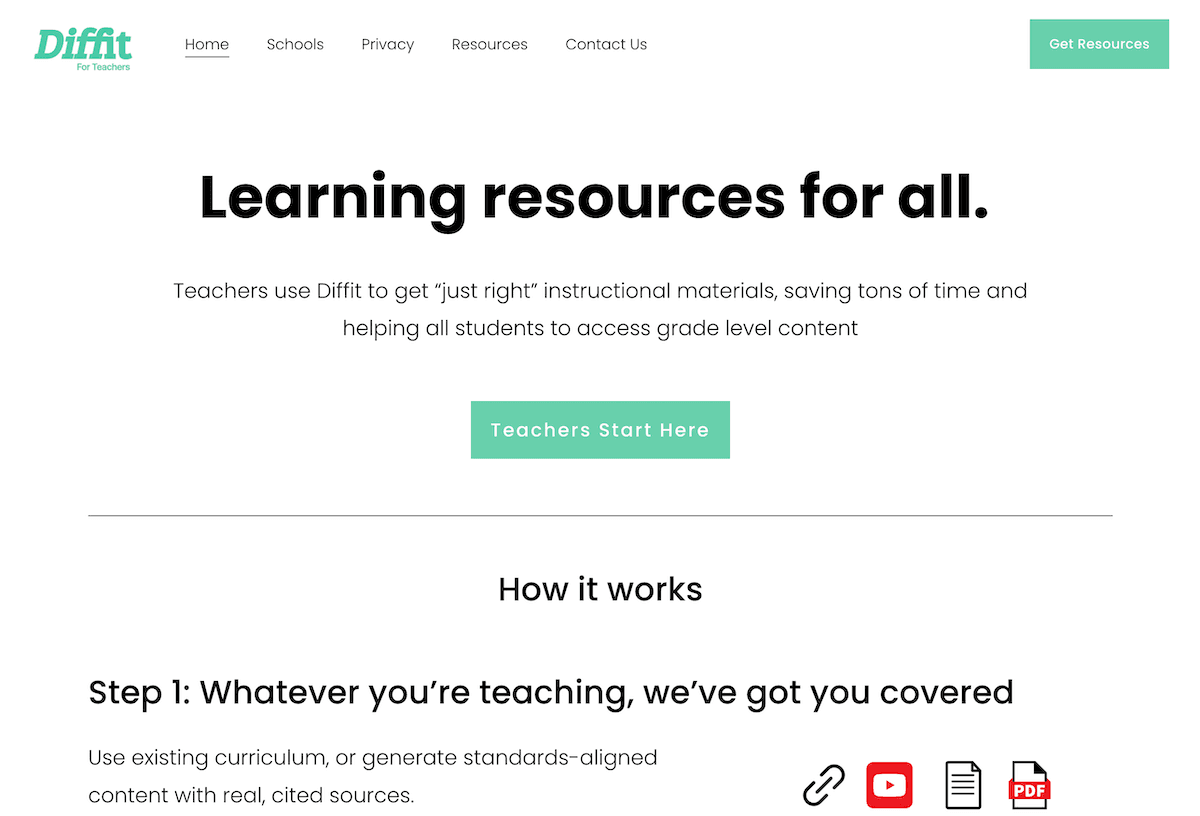
4. Jungle – Weekly Home Reflection Decks (by Students, for Students)
Instead of repetitive reading check-ins, my class now compiles “home deck” reflection cards on Jungle: one weird family debate, a challenge encountered outside school, a mistake during practice, or a surprising application of class content in the real world. Jungle’s AI aggregates these into a weekly deck for Friday peer review, group games, and even parent-teacher night demos.
Biggest win: Homework becomes meta-cognitive—a rolling journal of insight, not a pile of graded errors. Students learn to see their home and community as spaces for discovery, not just workload.
Try Jungle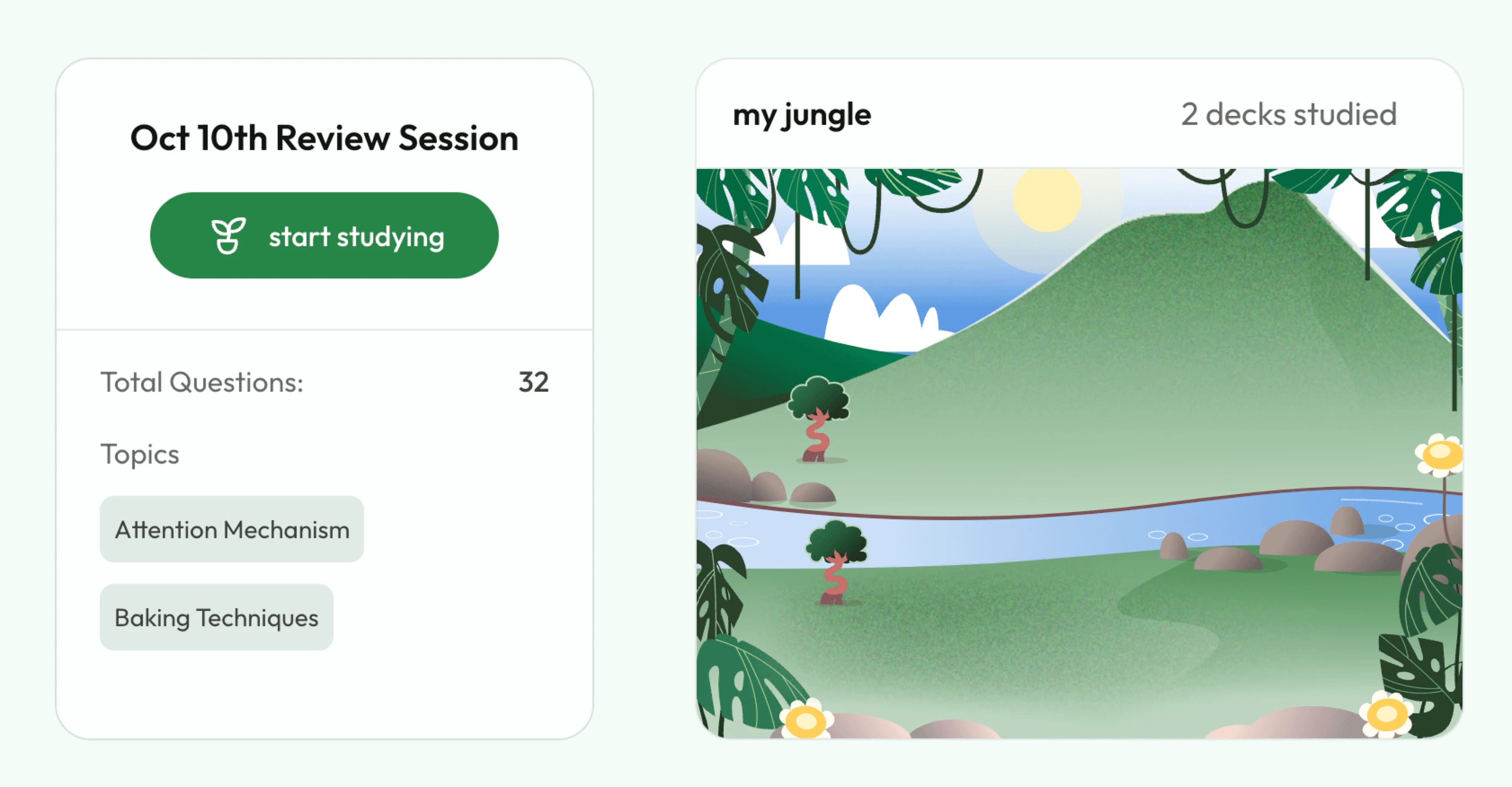
5. Magicbook – Publishing Home Investigations and Traditions
For years, my “family culture” project lived in sad, stapled packets. Magicbook let us build real digital anthologies: every student contributed an object, story, interview, or photo from home. Magicbook (and its AI) formatted and illustrated our “Home Journals”/“Neighborhood Zines”/“Our Family’s Food Project”—shareable with all families and even featured at multicultural night or school assembly.
Workflow: Let each class or advisory build at least one Magicbook “field guide” or home storybook per unit. Suddenly, homework is public, communal, and more cherished than any quiz.
Try Magicbook
6. Suno AI – Rituals for Home/School Connection and Closure
Homework shouldn’t be lonely. Suno became our weekly ritual: after every “at home learning” cycle, the class brainstorms lyric prompts (“Song for surviving review night,” “Anthem for my mom who helped me study,” “Chant for finishing science fair at the kitchen table”). Suno quickly creates shareable, joyful tracks—students play them at home, submit audio files as part of their learning reflection, or use them as audio check-ins for group projects.
Why it matters: Music and ritual make homework feel social again—even for kids without quiet desks or perfect support.
Try Suno AI
Honest Advice for Homework Rebels
- Make class gallery walks part of your routine—celebrate curiosity and family connection as real learning.
- Use blueprints (Kuraplan) to keep home learning aligned, but let students choose reflection over repetition.
- Differentiate as inclusion: Diffit and Magicbook mean every background, language, and tradition can be part of your curriculum.
- Let review reflect real life: Jungle and student-generated decks bring the outside world into your classroom culture.
- Ritualize home-school connection: Suno’s tracks and collaborative sharing breaks make homework an act of belonging.
Have you flipped the script on homework, or found an AI workflow that made home learning meaningful? Drop your favorite tool or ritual below. The best classrooms make the most of every home, every student, every day—AI can finally help homework feel like part of the adventure, not an afterthought.